

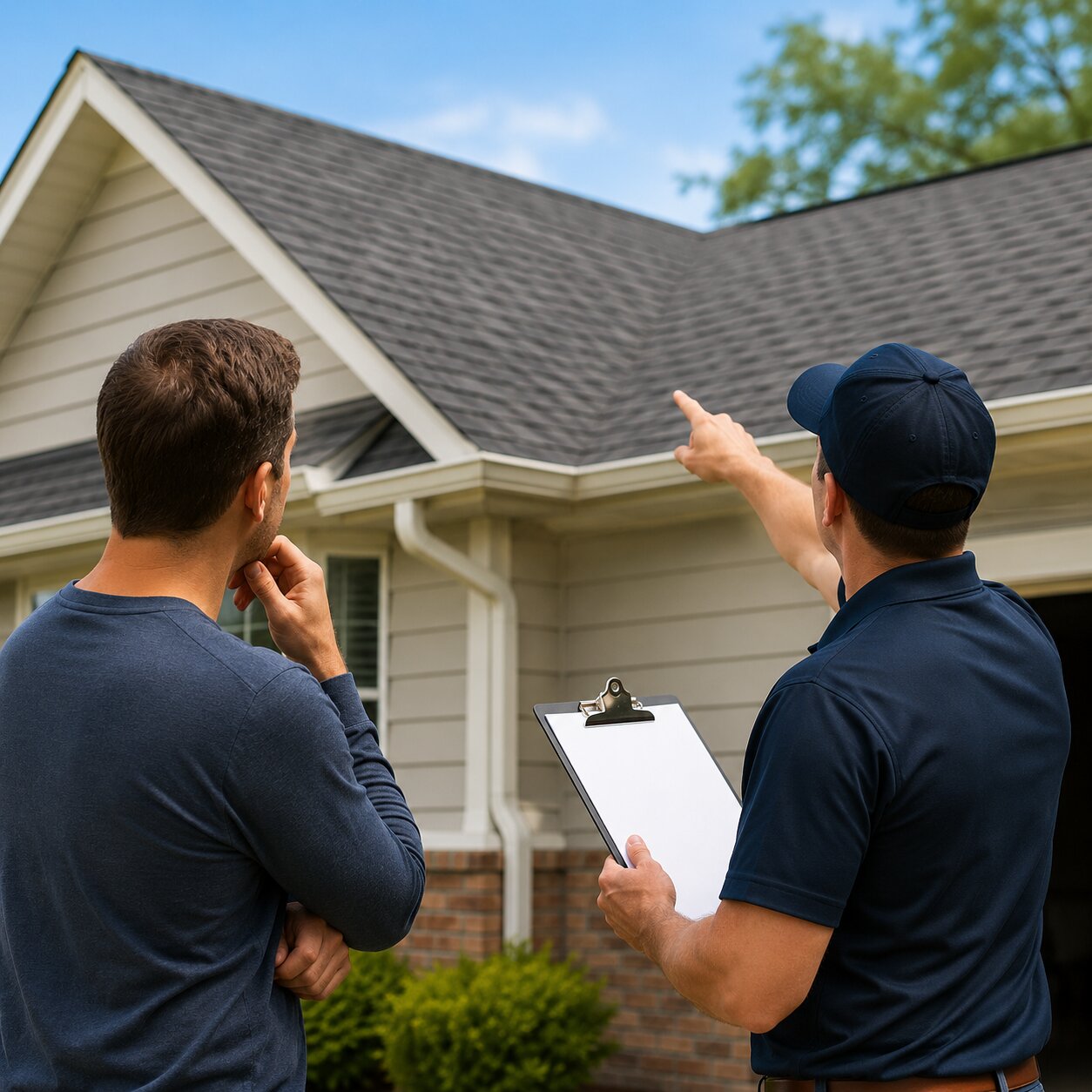
How to Choose a Trustworthy Local Roof Repair Company: A Homeowner’s Guide to Avoiding Costly Mistakes
Not all roof repair companies are created equal. So how to choose a tristworthy local roof repair company? Well, the difference between hiring the right contractor and the wrong one can mean the difference between a simple repair and thousands of dollars in avoidable damage. After seeing how homeowners make these decisions, and the consequences that follow, I have learned that choosing a trustworthy local roof repair company has very little to do with finding the cheapest quote and everything to do with knowing what to look for.
Why Choosing the Right Roof Repair Company Matters
A roof leak rarely announces itself with a dramatic collapse. More often, it starts quietly—a water stain on the ceiling, a few shingles scattered across the yard after a windstorm, or granules collecting in the gutters. Because these problems appear small, many homeowners assume they can wait.
In reality, roof damage rarely improves with time.
One lesson I’ve seen repeated over and over is this:
The biggest mistakes homeowners make are usually emotional, not technical. They assume a small leak is harmless, delay taking action, and then hire the cheapest contractor in a panic.
Those three decisions alone can turn what should have been a straightforward repair into a much larger—and much more expensive—project.
The good news? Most of these problems are completely preventable if you know how to evaluate roofing contractors before signing a contract.
Why “Cheap” Often Becomes the Most Expensive Option
One situation perfectly illustrates why choosing solely on price is so dangerous.
After a severe late-winter storm with high winds and hail, a homeowner noticed several missing shingles, loose flashing around the chimney, and a small water stain forming in the attic.
Like many people, they wanted the problem solved quickly.
A roofing crew had left flyers throughout the neighborhood advertising “storm specials” and same-day service. Their estimate came in far below every other contractor.
The homeowner accepted immediately.
At first, everything seemed fine.
The crew nailed down a few loose shingles, spread roofing cement around the flashing, collected payment, and left.
Unfortunately, they never:
- Inspected the attic.
- Checked the roof decking.
- Examined the underlayment.
- Investigated where the leak actually originated.
Instead of fixing the cause, they simply covered the symptoms.
The Real Cost Came Months Later
After several heavy rainstorms, the leak returned.
Only this time it was worse.
A reputable roofing contractor later discovered:
- Water-damaged plywood.
- Saturated insulation.
- Failed chimney flashing.
- Hidden moisture beneath the shingles.
- Early mold development in the attic.
The homeowner eventually paid nearly three to four times the cost of the original repair because the first contractor failed to identify the underlying problem.
To make matters worse, there was:
- No detailed written contract.
- No workmanship warranty.
- No documented scope of work.
- No reliable way to contact the original crew.
The low price that looked like a bargain became the most expensive decision they could have made.
What a Trustworthy Local Roofing Company Does Differently
Fortunately, not every story ends that way.
Another homeowner experienced recurring leaks after several spring storms.
Instead of hiring the first contractor available, they slowed down and followed a much smarter process.
They:
- Asked neighbors for recommendations.
- Read recent online reviews.
- Compared multiple estimates.
- Verified licensing and insurance.
- Checked recent projects completed nearby.
The roofing company they selected approached the inspection very differently.
Rather than spending only a few minutes on the roof, the inspector:
- Examined every flashing detail.
- Entered the attic.
- Checked insulation for moisture.
- Looked for decking damage.
- Took photographs throughout the inspection.
- Explained every issue in simple language.
Instead of handing over a single-page quote with one final price, they produced a detailed written report outlining:
- Immediate repairs.
- Preventive recommendations.
- Materials to be used.
- Warranty information.
- Estimated timeline.
- Cleanup procedures.
Nothing felt rushed.
Nothing felt hidden.
Everything was documented.
Although their estimate wasn’t the cheapest, it offered the most confidence.
The repairs permanently solved the leak, improved attic ventilation, and included a workmanship warranty. Even after the project was complete, the company returned after the next heavy rainfall to confirm everything remained watertight.
That level of professionalism is exactly what homeowners should expect.
The Biggest Mistakes Homeowners Make Before They Even Call a Roofer
One pattern appears repeatedly regardless of the home’s age or roof type.
Homeowners often underestimate the seriousness of early warning signs.
Mistake #1: Assuming a Small Leak Means a Small Problem
Water almost never appears directly beneath where it enters.
Instead, it travels along rafters, decking, insulation, and framing before finally dripping onto your ceiling.
That tiny stain in your living room could actually originate several feet away.
The visible damage is often only a fraction of the real problem.
Mistake #2: Waiting Until Next Month
Many homeowners tell themselves:
“We’ll deal with it after the holidays.”
“Let’s wait until summer.”
“Maybe it won’t leak again.”
Unfortunately, water keeps moving whether you’re ready or not.
Every storm increases the chance of:
- Rotting roof decking
- Mold growth
- Wet insulation
- Damaged drywall
- Higher repair costs
Time is almost never on your side.
Mistake #3: Choosing Whoever Can Start Tomorrow
Emergency repairs create urgency.
Urgency creates poor decisions.
Many homeowners mistake fast availability for quality workmanship.
A trustworthy roofing contractor may not always be available the same afternoon—but they’ll usually provide:
- A proper inspection
- Clear communication
- Detailed documentation
- Real warranties
- Long-term solutions
That’s worth waiting a day or two for.
Early Warning Signs You Should Never Ignore
One thing I’ve noticed is that homeowners often dismiss the very clues that roofing professionals take most seriously.
These include:
- Missing shingles after a windstorm.
- Granules collecting inside gutters.
- Slight discoloration on ceilings.
- Damp or musty attic odors.
- Loose flashing around chimneys.
- Water stains near skylights.
- Curling or cracked shingles.
Each may seem minor on its own.
Together, they often signal a roof system that’s already allowing moisture inside.
Ignoring these early warnings almost always increases repair costs later.
My 15-Minute Method for Comparing Local Roof Repair Companies
One of the questions homeowners ask most often is:
“How do I know which roofing company to trust?”
My answer usually surprises them.
Don’t compare prices first. Compare clarity first.
If you only have 15 minutes to review three roofing estimates, ignore the total cost for a moment. Instead, evaluate each company based on how transparent, thorough, and professional they are.
Here’s the exact process I recommend.
Step 1: Compare the Scope of Work
This is the single most overlooked part of any roofing estimate.
Many homeowners compare three quotes without realizing they aren’t comparing the same job.
For example:
- Company A includes replacing damaged flashing, underlayment, and shingles.
- Company B only mentions replacing shingles.
- Company C simply writes “roof repair.”
Those are three completely different scopes of work.
A trustworthy roofing company explains exactly what will be repaired, including:
- Damaged shingles
- Flashing
- Underlayment
- Roof decking (if needed)
- Ventilation improvements
- Cleanup and debris removal
- Disposal of old materials
The more detailed the estimate, the fewer surprises you’ll encounter later.
Step 2: Examine the Documentation
Professional contractors treat paperwork as seriously as the repair itself.
Every estimate should clearly include:
- Business name
- Physical address
- Contact information
- License number (where required)
- Insurance information
- Written scope of work
- Material specifications
- Estimated timeline
- Payment schedule
- Warranty details
If the proposal is handwritten on a scrap of paper or contains only a single price with little explanation, consider it a warning sign.
Good documentation reflects good business practices.
Step 3: Evaluate the Warranty
Many homeowners only ask whether a warranty exists.
Instead, ask:
- How long does the workmanship warranty last?
- What does it cover?
- Are the roofing materials covered separately?
- What situations would void the warranty?
- Is the warranty transferable if the home is sold?
A contractor who confidently explains warranty coverage is usually confident in their workmanship.
Step 4: Pay Attention to Communication
One thing I’ve learned is that communication during the estimate often predicts communication after the project starts.
Ask yourself:
- Did they answer questions patiently?
- Did they explain technical terms clearly?
- Did they rush you?
- Were they transparent about costs?
- Did they respond promptly?
A contractor who avoids simple questions before the project begins rarely becomes more responsive afterward.
Step 5: Compare Value—Not Just Cost
I’ve seen homeowners save a few hundred dollars upfront only to spend thousands correcting poor workmanship later.
The best contractor is rarely the cheapest.
Instead, look for the company that provides:
- The clearest proposal
- High-quality materials
- Strong warranties
- Thorough inspections
- Honest recommendations
- Transparent pricing
Think of it this way:
Price tells you what you’ll pay today. Value tells you what you’ll avoid paying tomorrow.
My Personal Trust Checklist
If I were helping a friend hire a roofing contractor today, this is the exact checklist we’d use.
- Detailed written estimate
- Clear scope of work
- Valid license and insurance
- Workmanship warranty
- Material warranty
- Local office and phone number
- Recent local references
- Positive online reviews with detailed feedback
- Professional communication
- Inspection photos
- Fair—not suspiciously cheap—pricing
- Cleanup and debris removal included
- Realistic timeline
- Clear payment schedule
If any of these items are missing, I’d ask questions before signing anything.
Questions Every Homeowner Should Ask Before Hiring a Roof Repair Company
Most homeowners focus on what the contractor asks them.
I think the better approach is to evaluate the contractor with thoughtful questions.
Here are the questions I always recommend asking.
1. Are You Licensed and Insured?
Never accept a verbal “yes.”
Ask for proof of:
- General liability insurance
- Workers’ compensation insurance
- Licensing (where applicable)
Documentation protects both you and the contractor.
2. Can You Show Me Recent Local Projects?
A trustworthy company should happily provide:
- Nearby completed jobs
- References
- Before-and-after photos
- Customer testimonials
Speaking with another homeowner can reveal far more than a polished sales pitch.
3. Will You Inspect Both the Roof and the Attic?
Many leaks begin on the roof but reveal themselves in the attic.
A complete inspection should evaluate:
- Roof surface
- Flashing
- Decking
- Ventilation
- Insulation
- Moisture intrusion
If someone only looks from the ground—or spends five minutes on the roof—they may miss the true cause of the problem.
4. Which Roofing Materials Will You Use?
Material quality affects how long the repair lasts.
Ask about:
- Shingle brand
- Underlayment
- Flashing materials
- Fasteners
- Sealants
Knowing exactly what’s being installed helps you compare estimates accurately.
5. How Does Your Payment Schedule Work?
Professional roofing companies usually request:
- A reasonable deposit
- Progress payments (if appropriate)
- Final payment after satisfactory completion
Be cautious if someone demands the entire amount upfront in cash.
Red Flags That Should Make You Walk Away
Some warning signs appear so consistently that I now consider them immediate deal breakers.
These include:
Extremely Low Prices
If one estimate is dramatically cheaper than the others, ask why.
Cheap prices often hide:
- Inferior materials
- Missing work
- Inexperienced labor
- Surprise charges later
High-Pressure Sales Tactics
Be cautious of statements like:
- “This price is only good today.”
- “You need to sign right now.”
- “Everyone else on your street already hired us.”
Good contractors earn your trust.
They don’t pressure you into making rushed decisions.
No Written Contract
Verbal promises disappear quickly.
Always insist on written documentation covering:
- Scope
- Timeline
- Materials
- Warranty
- Payment terms
Poor Communication
If calls aren’t returned before the project begins, don’t expect communication to improve once work starts.
Professionalism starts long before the first shingle is replaced.
A Small Leak That Wasn’t Actually Small
One case perfectly demonstrates why thorough inspections matter.
A homeowner believed they had a minor leak near their chimney.
From the ground, everything suggested a simple repair.
One missing shingle.
A faint ceiling stain.
Nothing alarming.
However, during the inspection, the roofing contractor opened the affected area and discovered:
- Water-soaked insulation
- Soft roof decking
- Damaged underlayment
- Early wood rot around the flashing
The leak had been traveling beneath the roofing system for months before becoming visible inside the home.
Instead of simply replacing one shingle, the contractor documented the hidden damage with photographs, explained exactly why additional repairs were necessary, and separated the original estimate from the newly discovered issues.
That transparency made all the difference.
The homeowner understood they weren’t being pressured into unnecessary work.
They were finally seeing the real source of the problem.
The lesson is simple:
A roof leak is almost never just a roof leak. It’s a roofing system problem until proven otherwise.
What to Do in the First 24 Hours After Discovering Roof Damage
The first day after discovering roof damage can significantly influence how much the repair ultimately costs. Acting quickly doesn’t mean rushing into hiring the first contractor you find. It means taking practical steps to protect your home while preparing to make an informed decision.
Here’s the approach I recommend.
1. Protect Your Home from Further Damage
If water is actively dripping inside the house:
- Place a bucket or container beneath the leak.
- Move furniture, electronics, rugs, and valuables away from the affected area.
- If it’s safe, use towels or plastic sheeting to protect nearby belongings.
Your priority is to minimize additional interior damage while waiting for a professional inspection.
2. Document Everything
One of the biggest mistakes homeowners make is failing to document the damage before repairs begin.
Take clear photos and videos of:
- Missing or damaged shingles
- Ceiling stains
- Water dripping indoors
- Wet insulation in the attic
- Fallen roofing materials around the property
- Hail or storm damage, if visible
Good documentation helps you:
- Compare contractor recommendations.
- Support insurance claims if necessary.
- Keep a record of the roof’s condition before work starts.
3. Check the Attic—If It’s Safe
Many homeowners never look in the attic after discovering a leak.
That’s a missed opportunity.
If it’s safe to enter, look for:
- Wet insulation
- Dark or stained wood
- Active dripping
- Signs of mold
- Sunlight shining through the roof
Don’t walk on insulation or attempt repairs yourself. The goal is simply to gather information that can help the roofing contractor identify the source of the problem.
4. Avoid Temporary Fixes That Create Bigger Problems
Temporary protection can be helpful, but only when done correctly.
For example:
- Don’t climb onto a wet or storm-damaged roof unless you’re trained and equipped to do so.
- Don’t spread roofing cement over random areas hoping to stop a leak.
- Don’t cover large sections of the roof with plastic without understanding how trapped moisture can create additional problems.
Sometimes the safest temporary repair is simply protecting the interior of your home and calling a qualified roofing professional immediately.
5. Schedule Multiple Inspections
Even if one contractor seems knowledgeable, obtaining two or three professional opinions gives you valuable perspective.
Different contractors may identify:
- Different causes
- Different repair methods
- Different material options
- Different warranty coverage
Comparing inspections—not just prices—helps you make a far better decision.
Beware of Storm-Chasing Roof Repair Companies
After severe storms, many neighborhoods see an influx of contractors offering immediate repairs.
Some are reputable.
Others disappear just as quickly as they arrive.
While not every traveling contractor is untrustworthy, homeowners should be cautious if someone:
- Knocks on your door unexpectedly.
- Claims they “noticed damage” without a proper inspection.
- Pressures you to sign immediately.
- Requests full payment before work begins.
- Offers unusually large discounts if you decide today.
- Avoids providing a local business address.
A trustworthy roofing company welcomes questions and gives you time to review your options.
High-pressure sales tactics rarely benefit the homeowner.
Signs You’ve Found a Roofing Company You Can Trust
After years of observing both successful and unsuccessful roofing projects, I’ve noticed trustworthy companies share several consistent characteristics.
They:
- Inspect before estimating.
- Explain problems without using confusing technical jargon.
- Show photographs instead of expecting blind trust.
- Provide detailed written proposals.
- Discuss both immediate repairs and long-term roof health.
- Respect your budget without sacrificing quality.
- Never rely on fear to make the sale.
- Stand behind their work with meaningful warranties.
- Leave the property cleaner than they found it.
- Continue communicating after the job is complete.
Professionalism isn’t defined by flashy advertisements.
It’s revealed through consistent actions before, during, and after the repair.
Final Thoughts
Choosing a trustworthy local roof repair company isn’t about finding the fastest response or the lowest price.
It’s about finding professionals who earn your confidence through transparency, documentation, communication, and quality workmanship.
If there’s one lesson I’ve learned from every successful roofing project and every costly mistake, it’s this:
The best roofing contractors don’t just repair roofs—they help homeowners understand what’s happening, explain why it matters, and provide solutions that protect the home for years to come.
The homeowners who end up happiest aren’t necessarily the ones who spent the least.
They’re the ones who took the time to ask questions, compare contractors carefully, verify credentials, and choose quality over shortcuts.
When you discover roof damage, don’t panic.
Slow down just enough to make a smart decision.
A few extra hours spent choosing the right local roof repair company can save you thousands of dollars, countless headaches, and years of worrying every time it rains.
Key Takeaways
Before hiring a local roof repair company, remember these essentials:
- Don’t choose a contractor based on price alone.
- Always compare detailed written estimates—not just final numbers.
- Verify licensing, insurance, and local references.
- Insist on a complete roof and attic inspection.
- Ask for inspection photos and clear explanations.
- Understand both workmanship and material warranties.
- Watch for high-pressure sales tactics and vague contracts.
- Treat even a small leak as an issue that deserves prompt attention.
- Focus on long-term value rather than the lowest upfront cost.
- Trust the contractor who communicates clearly, documents everything, and stands behind their work.
Ultimately, a roof protects everything beneath it. The company you trust to repair that roof should demonstrate the same level of care, integrity, and professionalism that you expect for your home. Making an informed choice today can prevent expensive repairs, unnecessary stress, and repeated leaks in the future.
Frequently Asked Questions
How many estimates should I get before hiring a roof repair company?
Three estimates are usually enough. They give you a realistic understanding of pricing, repair methods, warranties, and contractor professionalism without creating unnecessary confusion.
Is the cheapest roofing estimate ever the best option?
Sometimes—but only if it offers the same scope of work, materials, warranties, and documentation as the higher-priced estimates.
If a price seems dramatically lower, ask why before accepting it.
Should a roofing contractor inspect the attic?
Absolutely.
Many roof leaks originate in one location but become visible somewhere completely different.
A thorough attic inspection often reveals moisture damage, ventilation problems, and deteriorating decking that can’t be seen from outside.
What documents should I receive before work begins?
A trustworthy roofing contractor should provide:
- A written estimate
- A detailed contract
- Material specifications
- Warranty information
- Payment schedule
- Estimated project timeline
Everything that affects your project should be documented before work starts.
How can I tell if online reviews are genuine?
Look beyond the overall rating.
Pay attention to reviews that describe:
- Communication
- Cleanliness
- Problem-solving
- Warranty service
- Project timelines
- Long-term customer satisfaction
Specific experiences tend to be more helpful than short comments like “Great job!”
Finally, we suggest checking out The Reca Blog for more insightful articles.