

How Canadians Can Turn Unused Gold and Jewellery Into Financial Opportunities
Gold and jewellery often carry more than sentimental value. A necklace inherited from a family member, an old bracelet sitting in a drawer, broken gold pieces, or jewellery that no longer matches your lifestyle may represent a financial asset that you have simply stopped using.
For Canadians, particularly those living in Toronto and the Greater Toronto Area, understanding how these assets can be evaluated can open up several possibilities. Depending on your goals, you may choose to sell unwanted jewellery, explore a buy-back arrangement, consider a loan secured against eligible valuables, or even redirect some of your wealth toward physical gold bullion.
The important point is that valuable jewellery should not automatically be viewed as something that has to remain forgotten in a jewellery box. With the right information and professional assessment, it may become part of a broader financial decision.
Understanding the Value of Your Gold and Jewellery
One of the first steps is understanding what actually determines the value of a piece.
Gold jewellery is generally assessed according to factors such as its weight, purity and the current market value of gold. A piece marked 10K, 14K, 18K or 22K, for example, contains different proportions of pure gold. Other considerations can also apply when evaluating jewellery, diamonds, watches and collectible or designer pieces.
This is why the original purchase price of a piece does not necessarily tell you what it may be worth today.
A jewellery item purchased years ago may have been bought primarily for its craftsmanship, design, brand, gemstones and retail presentation. When selling it, however, the buyer may assess its current material and market value along with other relevant characteristics.
Professional evaluation can therefore be much more useful than simply guessing what an old piece might be worth.
Should You Sell Unused Jewellery?
Selling can make sense when you have jewellery that you no longer wear, no longer want, or have inherited without a personal connection to it.
Some people hold onto unwanted pieces because they assume they may need them someday. Others may never have considered that broken chains, mismatched earrings or outdated jewellery could potentially have monetary value.
Before selling, consider three questions:
Do I still use or value the item?
If a piece has significant sentimental importance, its financial value may not be the only consideration.
Would I rather have the cash available for another purpose?
Cash can potentially be used for household expenses, a major purchase, savings or another financial priority.
Have I received a professional valuation?
Understanding what you own before making a decision can help you negotiate from a more informed position.
A reputable jewellery buyer should be able to explain the assessment process clearly rather than pressuring you into an immediate decision.
Gold Purity and Weight Matter
People sometimes assume that the size of a gold item determines its value. In reality, weight alone does not tell the entire story.
Gold purity is particularly important. Different karats represent different levels of gold content, while the total weight helps determine how much precious metal is present.
For this reason, two pieces that look similar may have different values.
Professional buyers typically assess the relevant characteristics before presenting an offer. This makes a professional valuation especially useful for people who are unfamiliar with precious metals.
If you are considering selling gold in Toronto, bring your questions with you. Ask how the item is being evaluated, what factors affect the offer and whether other characteristics—such as gemstones, brand or design—may affect the assessment.
Selling Gold Is Not the Only Option
Selling is only one way to unlock value from precious assets.
For some owners, the priority is obtaining access to cash while retaining an opportunity to recover the item. Depending on eligibility and the terms offered, a secured private loan can provide an alternative to an outright sale.
Aaron Signature, a Toronto gold and jewellery centre, offers private loans secured by gold, jewellery and diamonds. Its published process involves authentication, valuation and acceptance of the loan terms, with the collateral held until the loan is repaid according to the agreed conditions.
This distinction matters.
If you sell an item, ownership changes. If you use an eligible item as collateral for a loan, you are borrowing against its value and remain subject to the loan’s terms and repayment obligations.
Consumers should therefore carefully compare the amount of cash they need, the cost of borrowing and whether they are comfortable using a valuable possession as collateral.
Consider a Buy-Back Option When You May Want the Item Back
There can also be situations where someone needs cash but does not necessarily want to permanently part with an item.
A buy-back arrangement can provide another potential option. Aaron Signature describes a buy-back service in which an item is sold for cash and may then be repurchased within a specified period at a stated premium, subject to the company’s terms.
This can be particularly relevant when deciding between immediate liquidity and keeping a valuable item.
However, consumers should always understand the exact terms before entering any transaction, including the time period, repurchase price, fees or premiums and what happens if the item is not repurchased within the applicable period.
Gold Bullion Offers a Different Approach to Owning Gold
There is another side to the gold conversation: purchasing bullion.
Jewellery and bullion are both forms of physical gold, but they serve different purposes. Jewellery is often purchased for personal enjoyment, craftsmanship and appearance. Bullion—such as recognized coins and bars—is generally purchased primarily for its precious-metal content.
For people interested in owning physical precious metals, bullion can therefore be worth researching separately from jewellery.
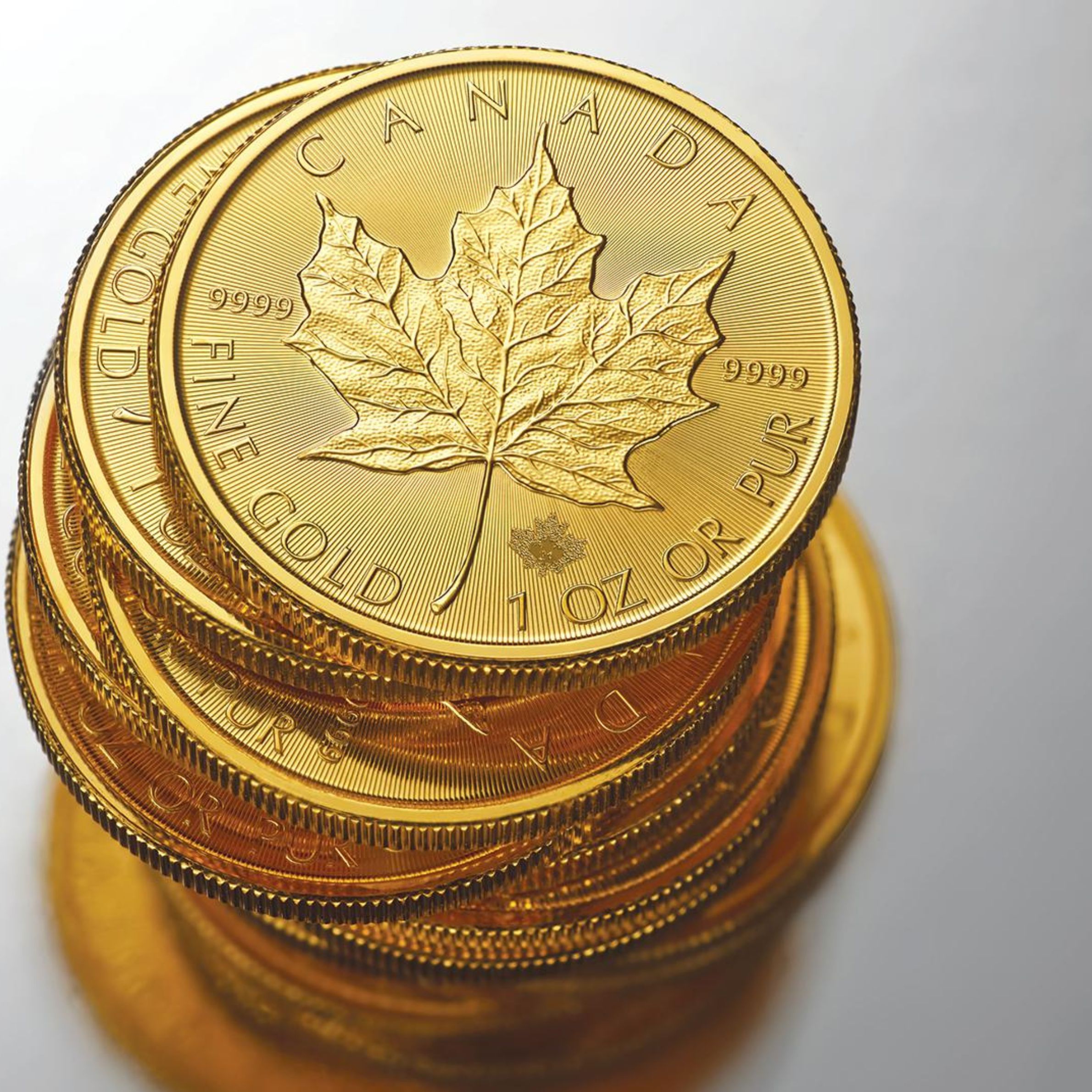
Aaron Signature offers gold bullion coins and bars from leading mints, giving Toronto-area consumers another way to explore physical precious-metal ownership.
As with any asset, gold prices can fluctuate, and purchasing physical precious metals involves considerations such as pricing, storage, liquidity and transaction costs. It should be viewed as one component of a broader financial strategy rather than a guaranteed investment.
How to Choose a Gold and Jewellery Buyer
Whether you are selling gold, evaluating jewellery or exploring another option, choosing the right business matters.
Look for a buyer that:
- Clearly explains its valuation process
- Provides information about the services it offers
- Gives you an opportunity to ask questions
- Has an established physical location
- Clearly communicates transaction requirements
- Provides written terms when applicable
- Does not pressure you into making an immediate decision
Local businesses can also offer the advantage of an in-person assessment. This can be useful when the value depends on the physical characteristics of an item that cannot be accurately evaluated from a photograph alone.
Aaron Signature (https://aaronsignature.com/) serves Toronto customers from its Yonge Street and Highway 401 location and has also introduced a Scarborough location near Morningside Avenue and Highway 401. Its services include gold, jewellery and diamond buying, private loans, bullion, jewellery repairs and other jewellery-related services.
Think About the Asset Before Making the Decision
The most important step is not deciding whether to sell, borrow or buy gold. It is understanding what you actually have and what you want to accomplish.
An unwanted gold bracelet might simply be clutter—or it might represent an asset worth evaluating.
An inherited diamond ring might have emotional significance, financial value, or both.
A collection of jewellery that is rarely worn could potentially be converted into cash.
And someone interested in precious metals may prefer to explore bullion rather than jewellery.
Each situation is different.
Instead of making a rushed decision, start with an assessment. Learn about the item’s purity, weight and potential market value. Then compare your options based on your financial objectives.
Making More Informed Decisions About Precious Assets
Gold and jewellery can occupy an interesting place in personal finance because they combine tangible ownership with potential monetary value.
For Canadians, the decision to sell, hold, borrow against or purchase precious metals should be approached thoughtfully. A professional valuation can provide useful information, while understanding the terms of any transaction can help prevent unpleasant surprises.
For Toronto and Scarborough residents, businesses such as Aaron Signature provide a range of services that allow consumers to explore different possibilities—from selling unwanted gold and jewellery to purchasing bullion or considering secured private financing.
Ultimately, the smartest decision is an informed one. Before letting unused valuables remain forgotten in a drawer, take the time to understand what they are worth and what options may be available. That knowledge can turn an overlooked possession into a meaningful financial opportunity.
Finally, we suggest checking out The Reca Blog for more insightful articles.