

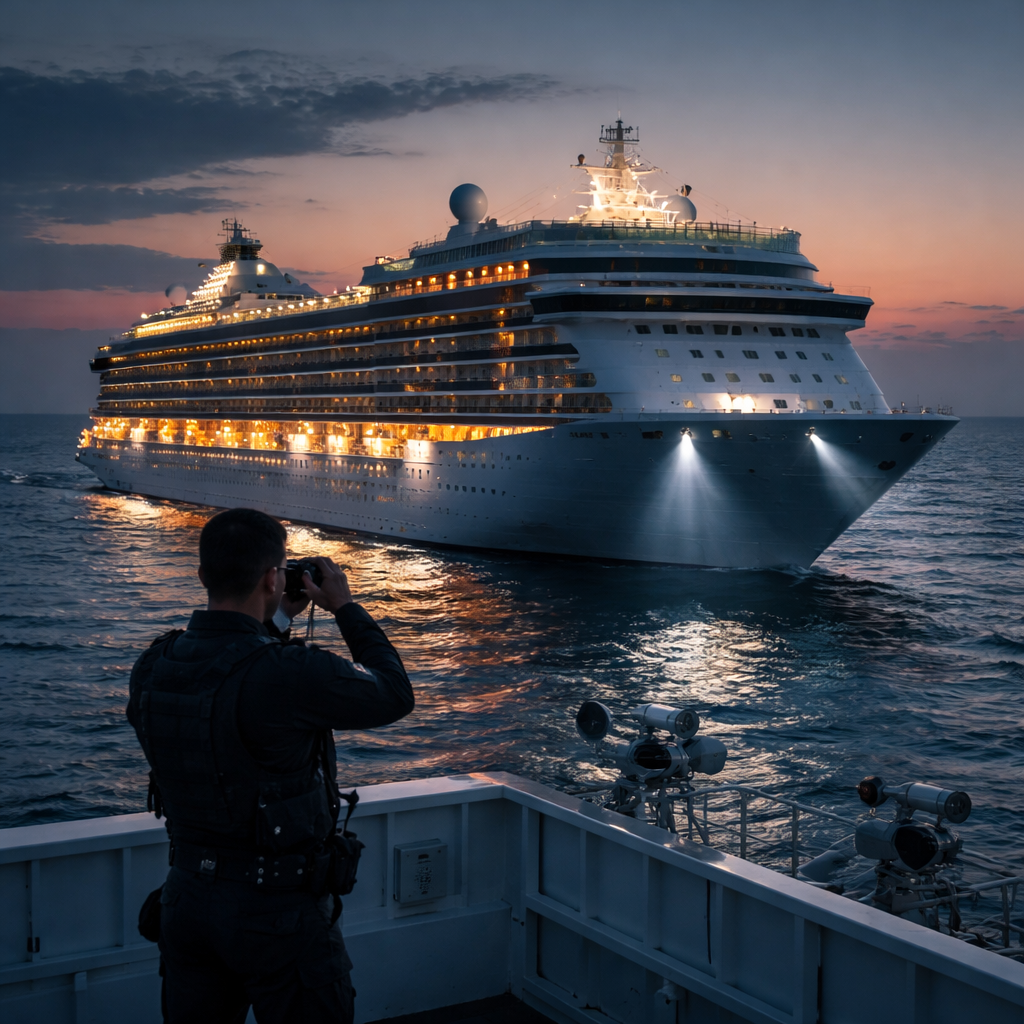
Piracy Warning Luxury Cruise Passengers: What Travelers Must Know About Modern Cruise Security
Piracy warning luxury cruise passengers alerts have recently become a trending topic in global travel discussions, raising questions about maritime safety, cruise ship security, and the realities of modern-day piracy. While luxury cruises are typically associated with relaxation, gourmet dining, and scenic ocean views, passengers sometimes encounter unexpected announcements from the captain about sailing through piracy-prone waters.
These warnings are not meant to cause panic but to ensure passenger safety when cruise ships navigate regions known for maritime crime. In recent years, incidents involving warnings to passengers on luxury vessels, especially in Southeast Asia and parts of the Indian Ocean, have gone viral on social media and sparked debate about how safe cruise travel truly is.
This in-depth guide explores the reasons behind these warnings, the latest global trends in maritime piracy, real incidents involving cruise ships, and how the cruise industry protects passengers while traveling through high-risk waters.
What is the Piracy Warning Luxury Cruise Passengers Hear at Sea
A piracy warning luxury cruise passengers announcement typically occurs when a ship approaches waters historically known for pirate activity. Rather than signaling an imminent attack, these warnings are precautionary measures designed to increase vigilance and reduce risk.1
For example, passengers aboard a world cruise were alerted when their vessel sailed through the Sulu-Celebes Sea near the Philippines, a region that has experienced piracy incidents in the past. Crew members implemented heightened security protocols such as closing outside decks at night and reducing external lighting to make the ship less visible.
Such measures are standard maritime safety procedures and reflect how seriously cruise operators take passenger security.
What Usually Happens During a Pirate Alert
During a piracy alert, cruise passengers may notice several changes in onboard operations:
- Outdoor decks temporarily closed overnight
- Cabin lights and curtains required to be closed
- Reduced exterior lighting to limit visibility
- Increased security patrols on board
- Water cannons or other deterrent systems prepared
Passengers on one cruise were even instructed to switch off lights and avoid exterior areas from 9 p.m. to 5 a.m. while passing through risky waters.
Although these instructions may sound alarming, they are simply preventive measures.
Why Cruise Ships Issue Piracy Warning Luxury Cruise Passengers Alerts
There are several reasons why cruise operators sometimes announce a piracy warning luxury cruise passengers message while at sea.
1. Sailing Through High-Risk Maritime Regions
Certain global waters have historically experienced piracy incidents, including:
- The Sulu and Celebes Seas
- The Gulf of Aden
- The Strait of Malacca
- The Gulf of Guinea
The Sulu-Celebes region, for example, has been linked to kidnapping and piracy incidents involving armed groups targeting ships and crew members.
2. Increased Global Maritime Crime
Maritime security agencies monitor piracy activity worldwide. In some years, dozens of incidents are reported globally, prompting ships to remain cautious when passing through sensitive areas.
3. Protection of High-Value Passengers and Cargo
Luxury cruise ships carry thousands of travelers, many of whom bring valuable personal belongings such as jewelry, electronics, and expensive accessories. These factors make them theoretically attractive targets for criminals.
4. Compliance With International Maritime Safety Protocols
Cruise companies follow international security frameworks such as the International Ship and Port Facility Security (ISPS) Code, which requires precautionary measures when entering high-risk waters.
Trending Incident: Piracy Warning Luxury Cruise Passengers on a World Cruise
One of the most widely discussed examples occurred during a global cruise voyage when passengers received a piracy warning luxury cruise passengers announcement over the loudspeaker.
The captain informed travelers that the ship would operate at a heightened level of security alertness while crossing piracy-prone waters in Southeast Asia.
Passengers were instructed to:
- Close cabin curtains
- Turn off unnecessary lights
- Avoid outside decks overnight
Although no attack occurred, the alert quickly went viral online and sparked millions of views across social media platforms.
Some travelers admitted they felt uneasy, while others described the experience as a rare but fascinating glimpse into maritime security procedures.
Are Pirate Attacks on Cruise Ships Actually Common?
Despite the alarming headlines surrounding a piracy warning luxury cruise passengers message, attacks on cruise ships are extremely rare.
Why Cruise Ships Are Difficult Targets
Several factors make cruise vessels unattractive targets for pirates:
- Large Size – Modern cruise ships are enormous, often over 1,000 feet long.
- Speed – Cruise vessels can outrun many small pirate boats.
- Security Teams – Ships have trained personnel and security technology.
- Naval Patrols – Many high-risk waters are monitored by international naval forces.
Because of these protections, pirates usually target smaller cargo vessels instead of massive passenger ships.
Historical Example
In 2009, pirates attempted to attack a cruise ship but were repelled when security personnel returned fire and the ship accelerated away. Since then, security measures across the cruise industry have significantly improved.
Global Piracy Hotspots Cruise Ships Monitor Closely
Cruise lines constantly monitor maritime crime trends before issuing a piracy warning luxury cruise passengers notice.
Southeast Asia
The waters around the Philippines, Indonesia, and Malaysia have experienced maritime crime involving armed groups and kidnappings for ransom.
The Strait of Malacca
One of the busiest shipping lanes in the world, the Strait of Malacca has historically experienced piracy incidents due to its narrow geography and heavy trade traffic.
The Gulf of Aden and Somali Coast
Somali piracy gained global attention during the late 2000s when cargo ships were frequently hijacked for ransom.
Although attacks declined in the early 2020s, piracy activity has shown occasional resurgence due to regional instability.
West Africa’s Gulf of Guinea
This region has also seen incidents of maritime robbery and kidnapping targeting commercial vessels.
Security Measures Behind Piracy Warning Luxury Cruise Passengers Alerts
Modern cruise ships rely on advanced technology and trained crews to ensure safety.
Defensive Equipment
Ships may deploy:
- High-pressure water cannons
- Long-range acoustic devices
- Radar monitoring systems
- Night-vision surveillance cameras
Some ships even install physical barriers along the hull to prevent boarding attempts.
Trained Security Personnel
Cruise companies employ security teams trained in maritime threat response. These professionals conduct regular drills and coordinate with international naval forces.
Route Planning and Intelligence Monitoring
Before departure, cruise lines analyze intelligence reports from maritime security agencies to avoid areas with elevated risks.
How Cruise Lines Communicate Piracy Warning Luxury Cruise Passengers Notices
Communication plays a critical role when a ship approaches high-risk waters.
Captain’s Announcement
The most common method is a public announcement from the captain explaining the situation and outlining safety procedures.
Cabin Information Systems
Some ships display route maps and security notifications on stateroom televisions so passengers understand why precautions are being taken.
Crew Instructions
Crew members may remind guests about safety measures such as closing curtains or avoiding certain decks.
These communications ensure transparency and maintain passenger confidence.
Passenger Reactions to Piracy Warning Luxury Cruise Passengers Alerts
When travelers first hear a piracy warning luxury cruise passengers announcement, reactions vary.
Initial Anxiety
Some passengers feel nervous after hearing the word “piracy.” In many cases, parents even avoid explaining the situation to younger travelers to prevent unnecessary fear.
Curiosity and Excitement
Others treat the experience as an unusual travel story. Cruise enthusiasts often share these moments online, which is why videos of piracy alerts frequently trend on social media.
Confidence in Cruise Safety
Most passengers ultimately report feeling reassured once they understand the precautions and realize that pirate attacks on cruise ships are extremely uncommon.
The Role of Technology in Preventing Cruise Ship Piracy
Technological innovation has drastically improved maritime safety.
Satellite Tracking
Cruise ships are monitored in real time through satellite navigation systems.
Automated Identification Systems
These systems allow ships to identify nearby vessels and detect suspicious movements.
Drone Surveillance
Some maritime security teams use drones to monitor surrounding waters.
Artificial Intelligence Security Systems
AI-driven monitoring systems can analyze maritime patterns and identify unusual activity that may indicate potential threats.
uture Trends in Maritime Security for Luxury Cruises
As global travel expands, cruise operators continue investing in security infrastructure.
Increased Cooperation With Naval Forces
International naval patrols play a major role in deterring piracy, especially in high-risk regions.
Enhanced Passenger Awareness
Travelers are becoming more informed about maritime risks and safety procedures.
Advanced Anti-Piracy Technology
Future ships may integrate automated defense systems, improved radar detection, and AI-powered threat monitoring.
These developments will further reduce the need for frequent piracy warning luxury cruise passengers alerts.
Travel Tips for Passengers Who Hear a Pirate Alert
If you ever hear a piracy warning luxury cruise passengers announcement while traveling, experts recommend staying calm and following crew instructions.
Practical Tips
- Follow all safety instructions from the crew.
- Keep curtains closed and lights off if instructed.
- Avoid restricted deck areas.
- Stay informed through onboard announcements.
- Remember that such alerts are precautionary.
Cruise ships are among the most secure forms of travel, and the crew is trained to handle potential risks.
Why Piracy Warning Luxury Cruise Passengers Topics Are Trending Online
Several factors have pushed this topic into global travel discussions.
Viral Social Media Videos
Passengers recording onboard announcements have shared viral videos with millions of views.
Growing Interest in Cruise Travel
The cruise industry has seen record passenger numbers in recent years, increasing public curiosity about maritime safety.
Geopolitical Tensions
Regional conflicts and maritime disputes sometimes heighten security alerts for ships traveling through certain waters.
Final Thoughts
A piracy warning luxury cruise passengers announcement may sound dramatic, but it is primarily a preventive safety measure rather than an indication of immediate danger.
Modern cruise ships operate with sophisticated security systems, professional crews, and global intelligence networks that monitor maritime threats. While piracy still exists in certain parts of the world, attacks on cruise ships are extremely rare.
For most travelers, hearing such a warning simply becomes an unforgettable story from their voyage—one that highlights the hidden complexity of global maritime travel.
Ultimately, cruise vacations remain one of the safest and most enjoyable ways to explore the world’s oceans.
Finally, we suggest checking out The Reca Blog for more insightful articles.
People Also Ask
What is a piracy warning luxury cruise passengers announcement?
A piracy warning luxury cruise passengers announcement is a safety notice issued by a cruise ship’s captain when the vessel enters waters historically associated with maritime piracy. The warning usually instructs passengers to follow precautions such as closing curtains, turning off unnecessary cabin lights, and avoiding outdoor decks during nighttime hours. These measures help reduce the ship’s visibility and enhance security while sailing through regions that previously experienced piracy incidents.
Why were luxury cruise passengers told to turn off lights?
Passengers were asked to turn off lights because reducing illumination makes the ship less visible to potential threats in piracy-prone waters. On one world cruise voyage, travelers were instructed to close curtains and switch off stateroom lights while passing through the Sulu-Celebes Sea, a region known for piracy threats between the Philippines, Malaysia, and Indonesia.
This “dark sailing” strategy is a standard maritime safety protocol used by ships navigating areas with historical piracy risks.
Are pirate attacks on luxury cruise ships common?
No, pirate attacks on luxury cruise ships are extremely rare. Cruise vessels are large, fast, and equipped with advanced security systems, making them difficult targets for pirates. Maritime authorities note that most piracy incidents target smaller cargo ships rather than large passenger vessels. Precautionary announcements are issued mainly to ensure vigilance and safety rather than to indicate an immediate threat.
Where do piracy warning luxury cruise passengers alerts usually occur?
Piracy alerts usually occur when cruise ships pass through regions historically associated with maritime crime, including:
- The Sulu-Celebes Sea (Southeast Asia)
- The Gulf of Aden near Somalia
- The Strait of Malacca
- The Gulf of Guinea in West Africa
Cruise lines closely monitor these areas and sometimes implement additional safety measures when navigating through them.
What safety measures do cruise ships take against pirates?
Modern cruise ships have several anti-piracy protections, including:
- Closing exterior decks overnight
- Reducing ship lighting to limit visibility
- Installing high-pressure water cannons
- Increasing onboard security patrols
- Monitoring surrounding vessels using radar and satellite systems
These measures help ensure that cruise travel remains one of the safest forms of international tourism.
What should passengers do if they hear a piracy warning on a cruise?
If passengers hear a piracy warning luxury cruise passengers announcement, they should remain calm and follow all instructions provided by the crew. This may include staying inside cabins, keeping curtains closed, limiting lighting, and avoiding restricted deck areas. These instructions are precautionary and designed to protect everyone on board.
Is it safe to travel on luxury cruises despite piracy warnings?
Yes. Luxury cruise travel remains very safe. Cruise lines coordinate with international maritime security organizations and naval patrols to monitor risks. Most warnings are preventive measures taken while crossing historically risky waters, and the likelihood of a piracy attack on a large cruise ship is extremely low.