

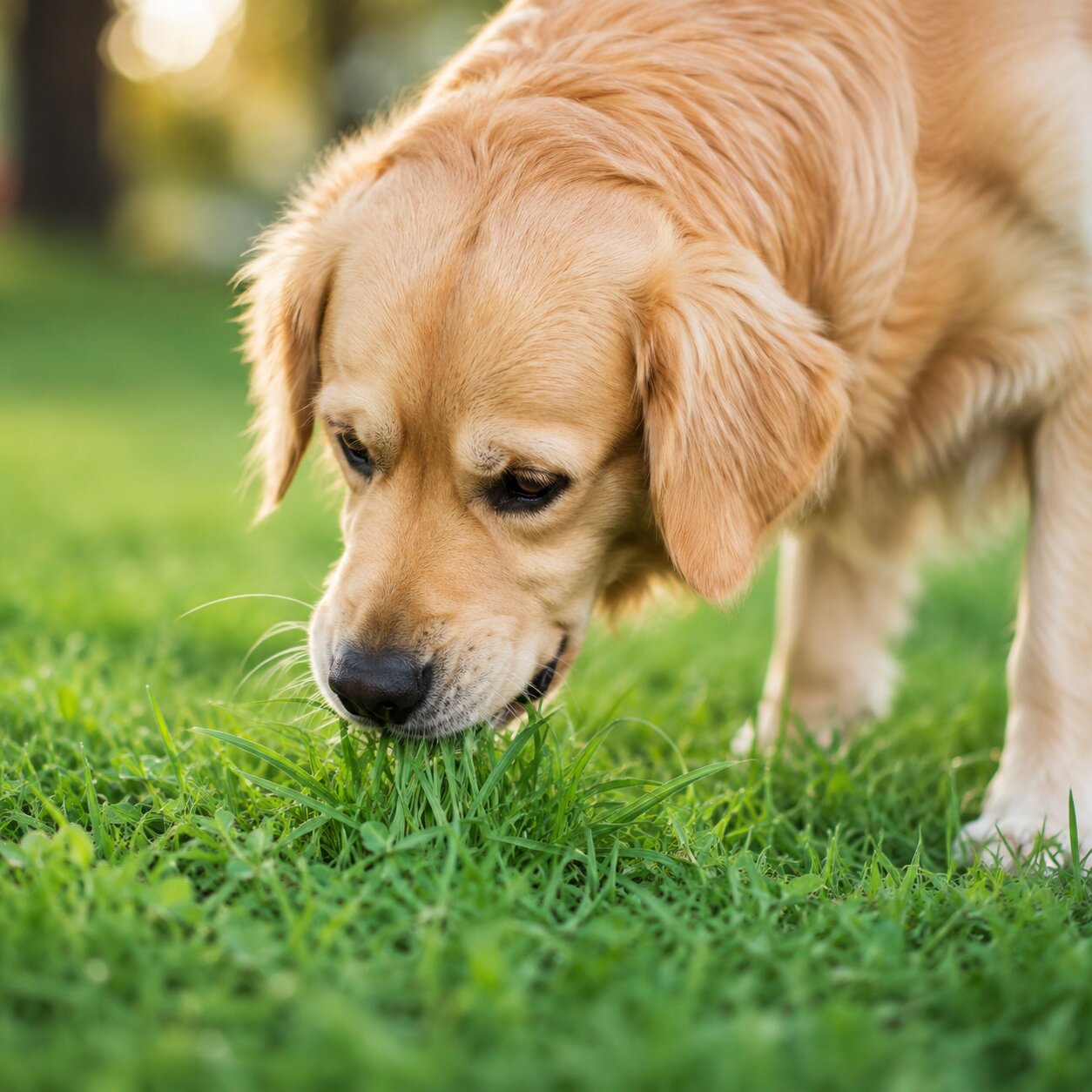
Why Is My Dog Eating Grass? 10 Vet-Backed Reasons Every Dog Owner Should Know
Why is my dog eating grass? If you’ve found yourself asking this question while watching your furry friend munch on your lawn during a walk or in your backyard, you’re certainly not alone. Many dog owners become concerned when they notice this unusual behavior, wondering whether it’s a sign of illness, a nutritional deficiency, or simply a quirky canine habit.
The good news is that, in most cases, grass eating is completely normal. However, there are situations where it may indicate an underlying health issue that deserves attention. In this guide, we’ll explain why dogs eat grass, whether it’s dangerous, when you should worry, and what you can do to keep your pet healthy and safe.
Why Is My Dog Eating Grass?
The question “why is my dog eating grass” has puzzled veterinarians and pet owners for decades. While researchers haven’t identified a single definitive answer, veterinary experts agree that several common reasons may explain this behavior.
Studies show that the majority of dogs that eat grass are perfectly healthy and do not show signs of illness beforehand. In fact, only a small percentage vomit afterward, debunking one of the biggest myths surrounding grass eating.
Is It Normal for Dogs to Eat Grass?
Yes.
Occasional grass eating is considered normal dog behavior. Wolves and wild canines have also been observed consuming plant material, suggesting that grazing may be an instinct inherited from their ancestors.
If your dog eats grass occasionally and continues to:
- Eat normally
- Stay active
- Drink water
- Maintain a healthy weight
there is usually no immediate reason for concern.
10 Common Reasons Why Dogs Eat Grass
1. Natural Instinct
One of the most accepted explanations is that grass eating is simply instinctive.
Domestic dogs evolved from wild ancestors that consumed entire prey animals, including stomach contents filled with vegetation. Even though today’s dogs eat commercial pet food, their instinct to consume plant material may still remain.
Related Keywords:
- why do dogs eat grass
- dog eating grass
- dogs eating grass behavior
2. They Simply Like the Taste
Believe it or not, some dogs genuinely enjoy chewing fresh grass.
Young spring grass often has a sweet taste and soft texture that many dogs find enjoyable. Just as dogs enjoy chewing sticks or leaves, grass can simply be another interesting texture to explore.
This is especially common among puppies.
3. They’re Looking for Extra Fiber
Fiber plays an important role in healthy digestion.
If your dog’s diet lacks adequate fiber, they may naturally seek alternative sources.
Additional fiber helps:
- Improve digestion
- Promote regular bowel movements
- Support gut health
- Reduce constipation
Switching to a veterinarian-approved high-fiber dog food may reduce excessive grass eating.
4. Mild Stomach Discomfort
Many people believe dogs eat grass to make themselves vomit.
While this can happen occasionally, research suggests it is not the primary reason. Most dogs that eat grass show no signs of illness beforehand, and only a minority vomit afterward.
Instead, dogs experiencing mild digestive discomfort may instinctively seek rough plant material.
5. Boredom
Dogs need mental stimulation.
When left alone for long periods without toys or exercise, some dogs begin chewing grass simply because they’re bored.
Signs include:
- Digging
- Barking excessively
- Chewing furniture
- Eating leaves
- Eating grass
Increasing daily exercise often reduces this behavior.
6. Curiosity
Puppies explore the world using their mouths.
Grass becomes just another object to investigate.
If your puppy occasionally chews grass but otherwise appears healthy, curiosity is likely the explanation.
7. Hunger
Some studies suggest dogs are more likely to eat grass before meals.
If your dog consistently grazes before breakfast or dinner, they may simply be hungry.
Consider:
- Splitting meals into smaller portions
- Feeding more frequently
- Using slow feeders
8. Anxiety or Stress
Stress-related behaviors may include:
- Grass eating
- Excessive licking
- Pacing
- Tail chasing
Dogs experiencing separation anxiety sometimes develop repetitive habits, including chewing vegetation.
Providing enrichment toys and interactive play sessions may help.
9. Nutritional Imbalance
Although uncommon with complete commercial diets, nutritional deficiencies can occasionally contribute to unusual eating behaviors.
Dogs lacking certain nutrients may begin consuming:
- Dirt
- Paper
- Rocks
- Grass
This behavior is sometimes associated with pica and should be discussed with a veterinarian if persistent.
10. Medical Conditions
Sometimes excessive grass eating can indicate:
- Gastrointestinal disease
- Parasites
- Inflammatory bowel disease
- Pancreatitis
- Food intolerance
If grass eating suddenly becomes excessive or accompanies other symptoms, consult your veterinarian promptly.
Is Eating Grass Bad for Dogs?
Usually, no.
However, there are important exceptions.
Grass can become dangerous if it has been treated with:
- Herbicides
- Fertilizers
- Weed killers
- Pesticides
Dogs can also ingest parasites such as roundworms or hookworms from contaminated grass.
When Should You Be Concerned?
Occasional grass eating is rarely a problem.
You should contact your veterinarian if your dog also experiences:
- Frequent vomiting
- Bloody stool
- Persistent diarrhea
- Weight loss
- Loss of appetite
- Lethargy
- Excessive drooling
- Eating large amounts of grass daily
These symptoms could indicate an underlying medical condition requiring diagnosis.
How to Stop Your Dog From Eating Grass
If you’d prefer your dog not to eat grass, try these practical tips.
Feed a Balanced Diet
Choose a complete, veterinarian-approved dog food that meets your pet’s nutritional needs.
Increase Fiber Intake
Some dogs benefit from additional dietary fiber.
Always discuss dietary changes with your veterinarian before switching foods.
Provide More Exercise
Daily physical activity helps reduce boredom.
Aim for:
- Longer walks
- Fetch sessions
- Agility games
- Interactive toys
Teach the “Leave It” Command
Positive reinforcement training can successfully discourage grass eating during walks.
Reward your dog immediately for ignoring grass.
Supervise Outdoor Time
Avoid allowing your dog to graze in:
- Public parks recently sprayed with chemicals
- Golf courses
- Unknown lawns
- Areas with animal feces
Can Grass Make Dogs Vomit?
Yes—but not always.
Some dogs vomit after eating large amounts of grass because the blades irritate the stomach lining.
However, veterinary studies show that most dogs do not intentionally eat grass to induce vomiting.
Why Does My Puppy Eat Grass?
Puppies commonly eat grass because they’re:
- Curious
- Teething
- Exploring textures
- Learning about their environment
As long as your puppy:
- Eats normally
- Plays normally
- Doesn’t vomit repeatedly
the behavior is generally harmless.
Final Thoughts
If you’ve been wondering, “why is my dog eating grass,” the answer is usually reassuring. In most cases, grass eating is a normal canine behavior linked to instinct, curiosity, hunger, or simple enjoyment rather than serious illness. Nevertheless, responsible pet owners should always monitor their dog’s overall health and watch for warning signs such as persistent vomiting, diarrhea, weight loss, or lethargy.
Keeping your dog on a balanced diet, providing regular exercise, ensuring access to clean water, and avoiding chemically treated lawns can help minimize unnecessary grass eating while supporting your pet’s overall well-being. If you’re ever unsure whether your dog’s behavior is normal, your veterinarian is the best resource for personalized guidance.
FAQs
Why is my dog eating grass every day?
Daily grass eating may indicate boredom, habit, hunger, or digestive issues. If it becomes excessive or is accompanied by vomiting, diarrhea, or lethargy, consult your veterinarian.
Why does my dog eat grass then throw up?
Grass can irritate the stomach, causing some dogs to vomit. However, research suggests most dogs are not attempting to make themselves sick by eating grass.
Should I stop my dog from eating grass?
Occasional grass eating is usually harmless. Prevent your dog from eating chemically treated or contaminated grass.
Can dogs digest grass?
Dogs cannot efficiently digest grass because they lack the specialized digestive system of herbivores. Most grass passes through largely undigested.
Finally, we suggest checking out The Reca Blog for more insightful articles.