

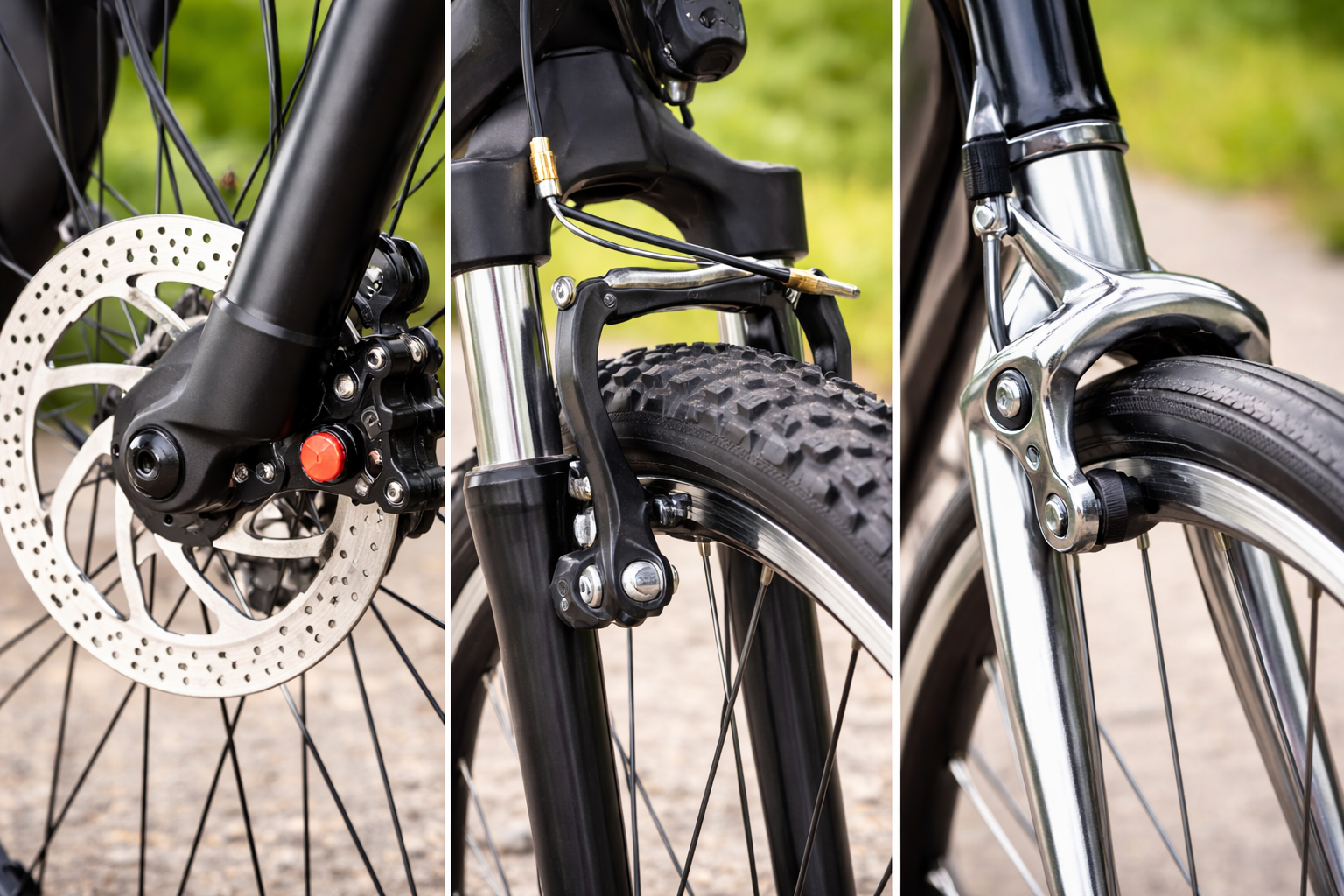
Types of Bicycle Brakes – A Complete Guide for Every Rider
Bicycle brakes are like the unsung heroes of every ride. You don’t think about them much—until you really need them. Whether you’re flying downhill, cruising through city streets, or navigating muddy trails, your brakes are what keep excitement from turning into disaster. Let’s dive into the common and uncommon types of bicycle brakes that every rider should know.
Why Bicycle Brakes Matter
Brakes control speed, ensure safety, and give you confidence on the road or trail. Good brakes don’t just stop your bike—they stop it predictably. That predictability is what separates a smooth ride from a white-knuckle experience.
How Bicycle Brakes Work
At their core, bicycle brakes convert motion into friction. When you pull the brake lever, force is transferred to the braking mechanism, which slows the wheel. Sounds simple, right? But the way that force is applied varies greatly depending on the type of brake system.
Rim Brake Systems
Rim brakes work by squeezing brake pads directly against the wheel rim. They’re lightweight, affordable, and widely used.
Caliper Brakes
Caliper brakes are most commonly found on road bikes. They use a single or dual pivot mechanism to clamp the rim.
Single Pivot vs Dual Pivot Caliper Brakes
Single pivot calipers are simple and lightweight but offer less stopping power. Dual pivot calipers, on the other hand, provide stronger braking and better modulation—perfect for modern road cycling.
Cantilever Brakes
Cantilever brakes were once the go-to choice for cyclocross and touring bikes. They offer good clearance for wider tires and mudguards, making them reliable in messy conditions.
V-Brakes (Linear Pull Brakes)
V-brakes are powerful rim brakes commonly found on mountain bikes and hybrids. They provide strong stopping power and are easy to maintain, making them ideal for beginners and commuters alike.
Disc Brake Systems
Disc brakes have revolutionized cycling. Instead of braking on the rim, they grip a metal rotor attached to the hub.
Mechanical Disc Brakes
Mechanical disc brakes use a traditional cable system. They’re easier to adjust and cheaper than hydraulic systems, making them a solid mid-range option.
Hydraulic Disc Brakes
Hydraulic disc brakes use fluid to transfer force. The result? Incredible stopping power with minimal effort. They’re smooth, consistent, and unbeatable in wet or muddy conditions.
Pros and Cons of Disc Brakes
Disc brakes excel in all weather and provide superior control. The downside? Higher cost and more complex maintenance. Still, once you try them, it’s hard to go back.
Drum Brakes
Drum brakes are enclosed braking systems located inside the hub.
Internal Hub Braking System
Because they’re sealed from the elements, drum brakes perform consistently in rain and dirt. They’re common on city bikes and cargo bikes.
Best Use Cases for Drum Brakes
If you want low maintenance and reliability over performance, drum brakes are a great choice—especially for daily commuting.
Coaster Brakes
Coaster brakes activate when you pedal backward. No levers required.
Backpedal Braking Explained
This system is incredibly intuitive. Just pedal backward and the bike slows down. It’s popular on kids’ bikes and classic cruisers.
Ideal Bikes for Coaster Brakes
Perfect for casual riding and flat terrain, coaster brakes are simple but limited when it comes to aggressive riding or steep hills.
Roller Brakes
Roller brakes are a refined version of drum brakes, often associated with Shimano.
Shimano Roller Brake Technology
They provide smooth, quiet braking and are fully enclosed. Heat-dissipating fins help prevent overheating during long descents.
Maintenance and Longevity
Roller brakes last a long time and require minimal upkeep, making them ideal for urban cyclists.
Comparison of Types of Bicycle Brakes
Performance in Different Weather Conditions
Disc brakes outperform all others in wet weather. Rim brakes struggle in rain, while drum and roller brakes offer consistent but less powerful performance.
Maintenance and Cost Comparison
Rim brakes are cheapest and easiest to maintain. Disc brakes are pricier but offer superior performance. Drum and roller brakes sit in the middle, prioritizing durability over power.
How to Choose the Right Types of Bicycle Brakes
Riding Style and Terrain
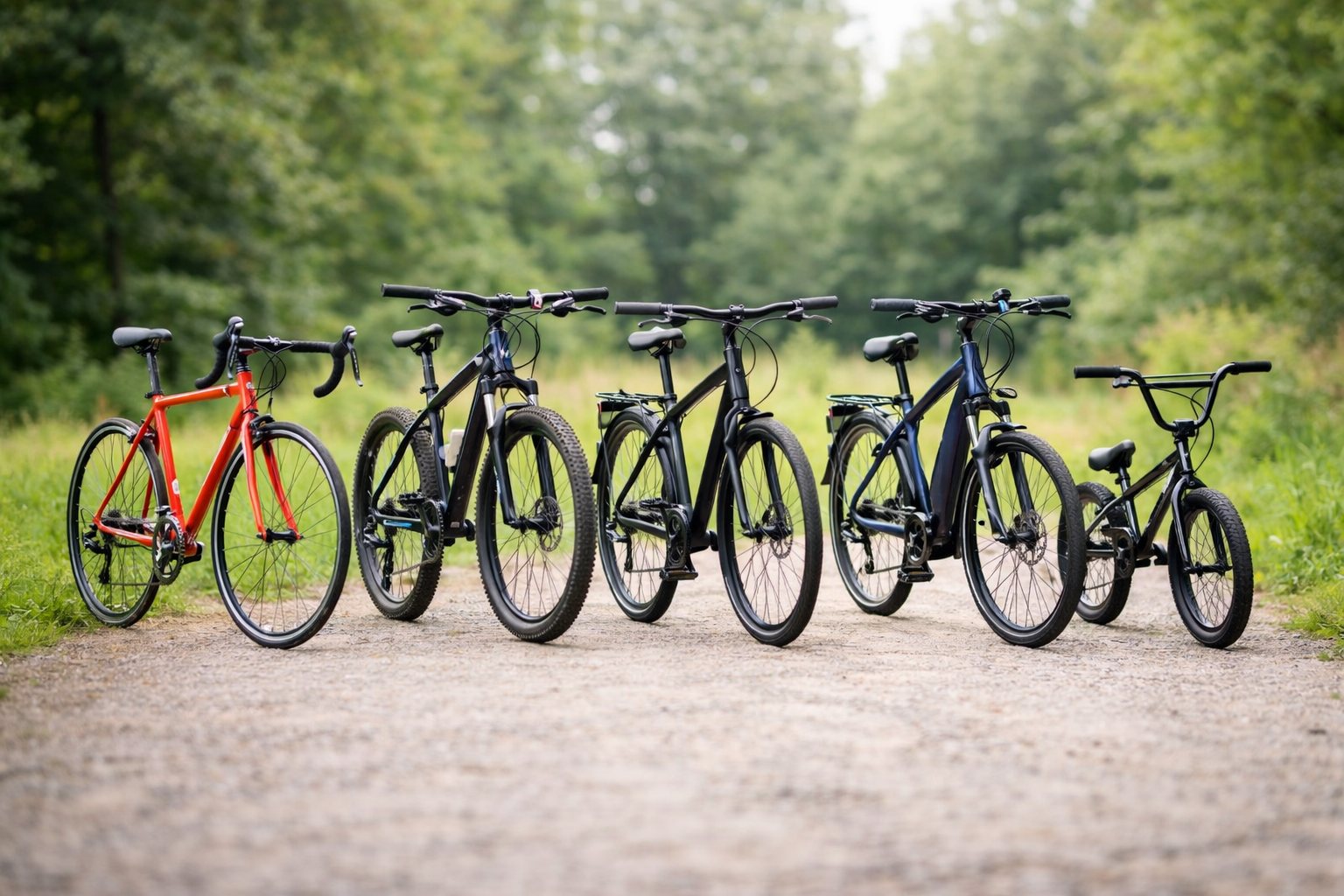
Mountain biking? Go for hydraulic disc brakes. City commuting? Roller or drum brakes might be perfect. Road cycling? Dual pivot calipers still shine.
Budget and Maintenance Preferences
If you prefer simplicity and low cost, rim brakes are your friend. If performance matters most, invest in disc brakes.
Common Bicycle Brake Problems and Solutions
Squeaky brakes often mean dirty pads or rims. Weak braking can result from stretched cables or worn pads. Regular inspection keeps problems from piling up.
Future of Bicycle Braking Technology
Electronic braking, improved hydraulic systems, and lighter materials are shaping the future. Expect smarter, more responsive brakes in the years ahead.
Conclusion
Choosing the right type of bicycle brakes is about balance—performance, maintenance, cost, and riding style. From classic rim brakes to modern hydraulic discs, each system has its place. The best brake is the one that matches how and where you ride, keeping every journey safe and enjoyable.
Finally, we suggest checking out The Reca Blog for more insightful articles.
FAQs
What are the main types of bicycle brakes?
The main bicycle brake types include disc brakes, rim brakes, and V‑brakes (direct‑pull cantilever). There are also less common versions like coaster, drum, cantilever, and U‑brakes used on specific bikes.How do disc brakes work on a bike?
Disc brakes use brake pads to clamp onto a rotor mounted at the wheel hub when the rider pulls the brake lever. They provide powerful, consistent stopping, especially in wet or muddy conditions.What is the difference between mechanical and hydraulic disc brakes?
Mechanical disc brakes use cables to push the caliper and pads, while hydraulic disc brakes use fluid pressure for smoother, stronger, and more modulated braking.Are rim brakes still used on modern bicycles?
Yes — rim brakes are lighter and simpler and still found on many road and entry‑level bikes, though disc brakes dominate most high‑performance and all‑weather bikes today.What are V‑brakes and where are they found?
V‑brakes are a type of direct‑pull rim brake common on hybrids, commuters, and budget mountain bikes. They are easy to maintain and provide solid stopping power for everyday riding.What is a coaster brake?
A coaster brake is integrated into the rear hub and activates when the rider pedals backward. It’s simple and low‑maintenance but offers limited modulation.Which brake type is best for mountain biking?
Hydraulic disc brakes are typically best for mountain bikes because they deliver strong, reliable stopping power and precise control across rough terrain and wet conditions.Do all bikes use the same brake pads?
No — disc brake pads and rim brake pads are not interchangeable. Even within those systems, pad shapes and materials can vary between brake models.Can drum brakes still be used on bicycles?
Yes, drum brakes and some niche brake designs still appear on cargo, touring, and classic city bikes, but they are less common than disc or rim brakes.Why are disc brakes preferred over rim brakes by many riders?
Disc brakes provide better performance in wet weather, stronger stopping power, and more control, which makes them ideal for modern road, mountain, and gravel bikes.

Leave feedback about this