


Symptoms of Low Self Esteem: A Deep Guide to Recognizing the Hidden Signs and Rebuilding Confidence
Symptoms of low self esteem often go unnoticed because they quietly shape thoughts, behaviors, and emotional responses long before a person realizes something is wrong. Many individuals live for years believing their struggles are personality flaws rather than signals of an internal confidence gap that deserves understanding and care.
Low self-esteem is not simply about feeling insecure—it influences relationships, career decisions, mental health, and overall quality of life. This comprehensive guide explores the emotional, behavioral, and psychological patterns that indicate diminished self-worth, why they develop, and how awareness can become the first step toward healing.
What is Self-Esteem and Why It Matters
Self-esteem refers to the way individuals perceive their own value, abilities, and worth. Healthy self-esteem supports resilience, self-respect, and emotional stability, while low self-esteem creates a fragile internal foundation.
People with strong self-esteem trust themselves, accept imperfections, and believe they deserve happiness. When self-esteem is low, the mind becomes an internal critic rather than a supportive ally.
Symptoms of Low Self Esteem You Should Never Ignore
Recognizing the symptoms of low self esteem early can prevent long-term emotional damage and help individuals regain control over their mental and emotional well-being.
1. Constant Self-Criticism
One of the most common indicators is an inner voice that is relentlessly negative. Individuals may:
- Harshly judge their mistakes
- Dismiss their achievements
- Focus obsessively on perceived flaws
This self-talk often feels “normal,” but over time it erodes confidence and motivation.
2. Fear of Failure and Avoidance Behavior
People struggling with low self-esteem often avoid challenges, not due to lack of ability, but because failure feels like confirmation of worthlessness.
They may:
- Avoid new opportunities
- Stay in unfulfilling jobs or relationships
- Procrastinate excessively
This avoidance reinforces the belief that they are incapable.
3. Difficulty Accepting Compliments
Compliments can feel uncomfortable or undeserved. Many individuals respond by:
- Deflecting praise
- Minimizing accomplishments
- Assuming others are exaggerating
This discomfort stems from an internal belief that positive feedback is inaccurate.
Emotional Symptoms of Low Self Esteem That Affect Mental Health
The emotional symptoms of low self esteem are often subtle but deeply impactful.
4. Chronic Feelings of Guilt or Shame
People with low self-esteem often blame themselves excessively, even for things outside their control. Shame becomes a default emotional state, creating persistent emotional pain.
5. Persistent Anxiety and Overthinking
Low self-worth fuels constant worry about:
- Being judged
- Saying the wrong thing
- Being rejected
This anxiety often leads to social withdrawal or emotional exhaustion.
6. Emotional Sensitivity to Criticism
Constructive feedback may feel like a personal attack. Even mild criticism can trigger:
- Defensive reactions
- Emotional shutdown
- Lingering self-doubt
Behavioral Symptoms of Low Self Esteem in Daily Life
Behavior often reveals what words conceal. These symptoms of low self esteem show up clearly in everyday actions.
7. People-Pleasing Tendencies
To feel accepted, individuals may prioritize others’ needs at the expense of their own. This includes:
- Difficulty saying no
- Fear of disappointing others
- Overcommitting
Over time, this behavior leads to burnout and resentment.
8. Lack of Boundaries
Poor self-esteem often results in weak personal boundaries. People may tolerate:
- Disrespectful behavior
- Emotional manipulation
- Unhealthy relationships
This reinforces the belief that their needs do not matter.
9. Seeking External Validation
Approval from others becomes a substitute for internal self-worth. Social media likes, praise, and recognition may temporarily boost mood but never provide lasting confidence.
Social and Relationship-Based Symptoms of Low Self Esteem
The symptoms of low self esteem frequently surface in relationships, shaping how individuals connect with others.
10. Fear of Abandonment
A deep-rooted belief of being “not enough” creates constant fear of rejection. This may lead to:
Clingy behavior
Emotional dependency
Difficulty trusting partners
11. Staying in Toxic Relationships
Low self-esteem can convince people they do not deserve better, making it hard to leave emotionally harmful situations.
12. Comparing Yourself Constantly to Others
Comparison becomes a daily habit, especially in the digital age. Others’ success feels like proof of personal inadequacy rather than inspiration.
Cognitive Symptoms of Low Self Esteem and Negative Thinking Patterns
The mind plays a powerful role in sustaining low self-worth.
13. All-or-Nothing Thinking
Mistakes are seen as total failures. One setback becomes “I always fail,” reinforcing hopelessness.
14. Imposter Syndrome
Even successful individuals may feel like frauds, believing they will eventually be “exposed” as incompetent.
15. Difficulty Making Decisions
Fear of making the wrong choice can lead to indecision, self-doubt, and reliance on others for validation.
Physical and Lifestyle Symptoms of Low Self Esteem
The symptoms of low self esteem are not purely emotional—they can manifest physically.
16. Neglecting Self-Care
Low self-worth often results in:
- Poor sleep habits
- Unhealthy eating patterns
- Ignoring personal health
17. Low Energy and Motivation
A lack of belief in oneself drains enthusiasm for life, goals, and personal growth.
Causes Behind the Symptoms of Low Self Esteem
Understanding the root causes helps break the cycle.
Childhood Experiences
- Critical parenting
- Emotional neglect
- Lack of validation
Trauma and Negative Life Events
- Bullying
- Repeated failures
- Abusive relationships
Societal and Cultural Pressures
Unrealistic standards promoted by media and society often distort self-image and worth.
Long-Term Effects of Untreated Low Self Esteem
If left unaddressed, low self-esteem can contribute to:
- Depression
- Anxiety disorders
- Career stagnation
- Relationship dysfunction
Recognizing the symptoms of low self esteem early can prevent these long-term consequences.
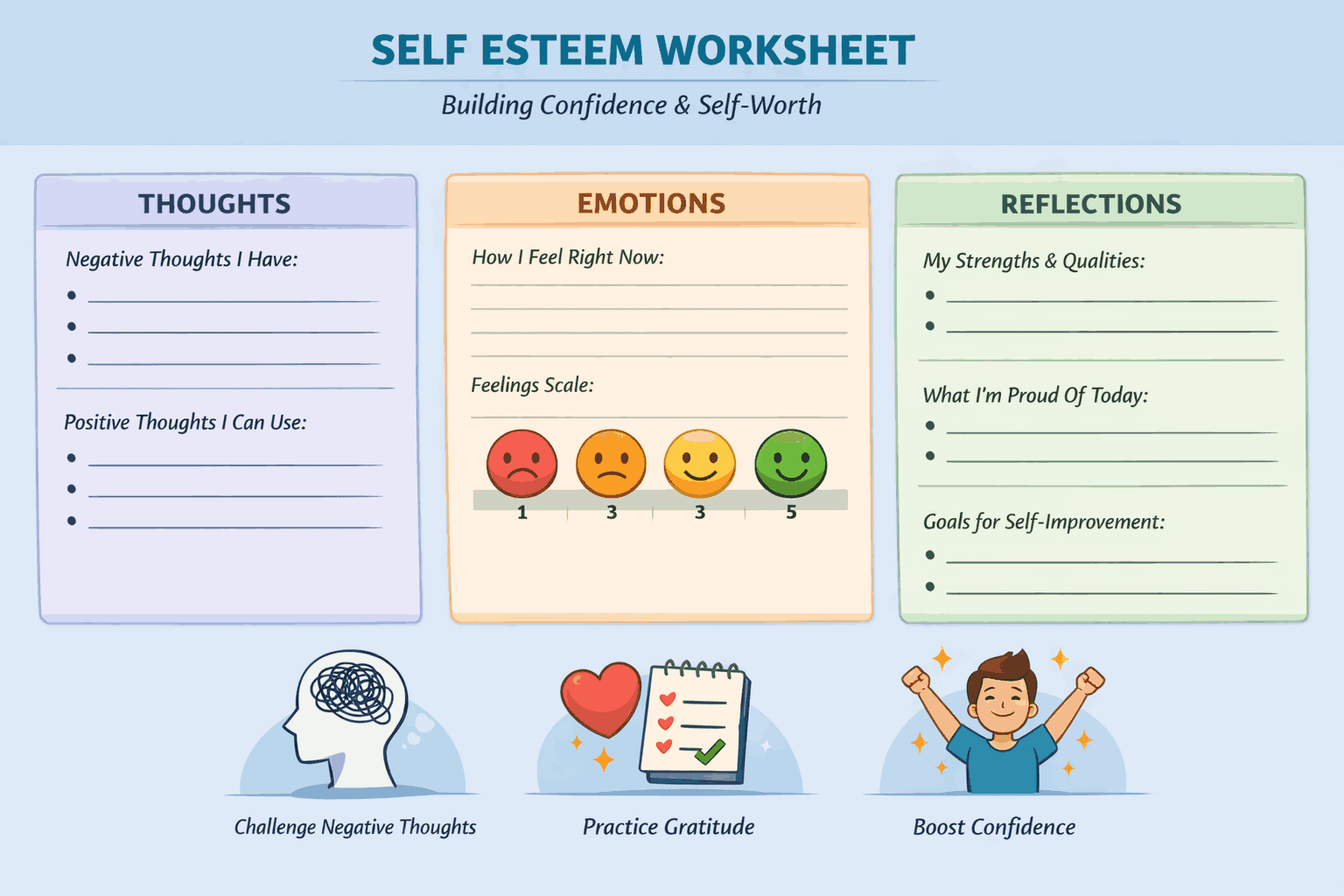
How to Start Healing Low Self Esteem
Healing is possible with awareness, patience, and consistent effort.
Practice Self-Compassion
Replace harsh self-talk with understanding and kindness.
Challenge Negative Beliefs
Question the truth behind critical thoughts and replace them with balanced perspectives.
Set Healthy Boundaries
Learning to protect your emotional space reinforces self-respect.
Seek Professional Support
Therapists and counselors can help uncover root causes and guide recovery.
Building Healthy Self-Esteem Over Time
Confidence is not built overnight. Sustainable self-esteem grows through:
- Small wins
- Honest self-reflection
- Self-acceptance
- Growth-focused goals
Every step toward self-awareness weakens the hold of low self-esteem.
Final Thoughts on Symptoms of Low Self Esteem
The symptoms of low self esteem are not signs of weakness—they are signals that something within needs care, attention, and understanding. Recognizing these signs is not about labeling yourself but about empowering yourself to heal.
Self-esteem is not fixed. With awareness, support, and intentional effort, anyone can rebuild confidence and develop a healthier relationship with themselves. The journey begins by acknowledging the signs and choosing growth over self-doubt.
Finally, we suggest checking out The Reca Blog for more insightful articles.


Leave feedback about this