

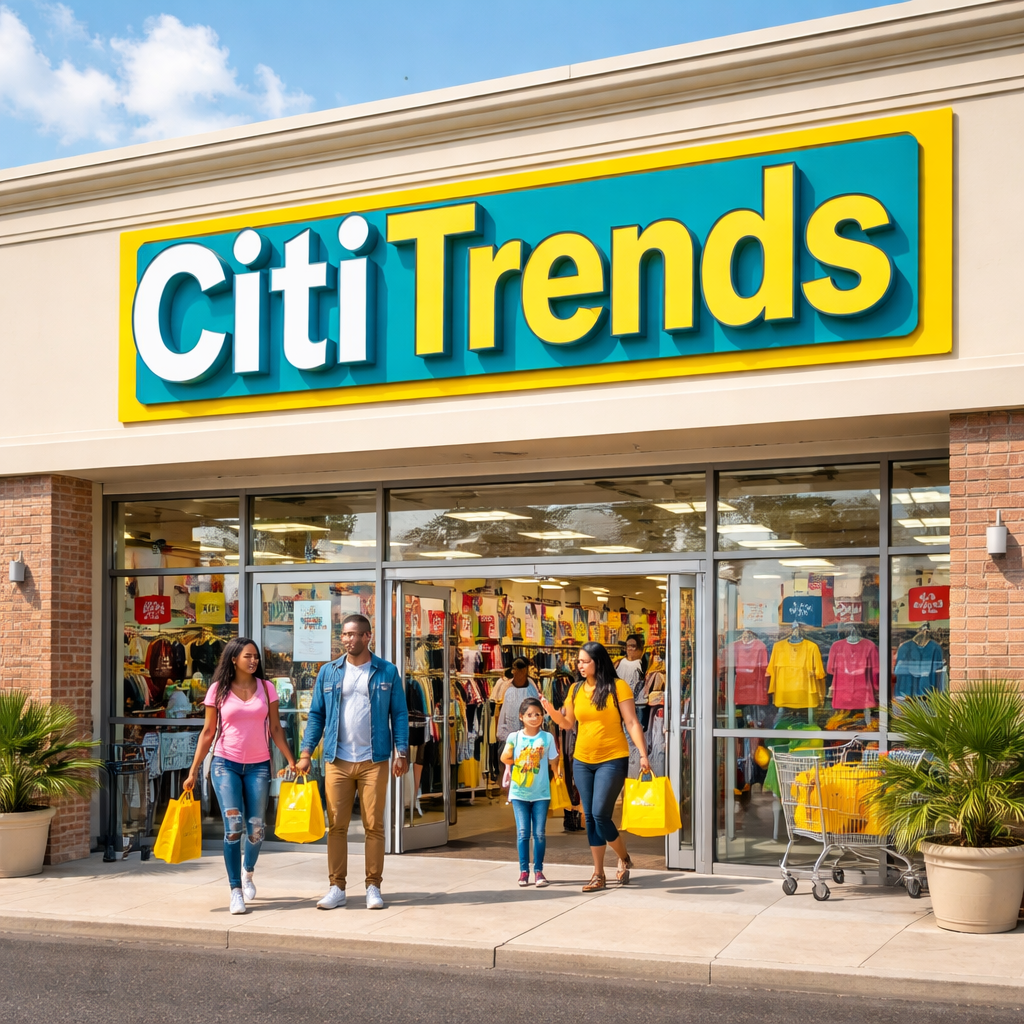
Citi Trends: How a Value Fashion Retailer Is Redefining Affordable Style in 2026
Citi Trends continues to reshape the value-fashion retail landscape by blending affordability, cultural relevance, and trend-focused merchandise into one accessible shopping experience. In an era defined by inflation pressures, shifting consumer behavior, and digital competition, this off-price retailer has carved out a unique position serving underserved communities while staying ahead of evolving fashion trends.
This in-depth guide explores the company’s growth trajectory, merchandising strategy, customer loyalty, financial performance, and emerging retail trends shaping its future.
What is Citi Trends
Founded in 1958 and headquartered in Savannah, Georgia, Citi Trends is a U.S. off-price retailer specializing in apparel, accessories, footwear, and home goods. The brand focuses primarily on value-conscious families seeking fashionable products at accessible prices.
As of 2025, the company operates approximately 590+ stores across 33 states, primarily in urban and neighborhood shopping centers.
Core Retail Focus
- Affordable fashion for men, women, and children
- Footwear and accessories
- Beauty and lifestyle products
- Home décor and essentials
This category diversity helps drive repeat visits and high basket sizes.
The Mission: Value Meets Cultural Relevance
What differentiates Citi Trends is its deep cultural alignment with its core customer base. The retailer focuses heavily on culturally relevant styles and trend-right merchandise tailored to community preferences.
The company emphasizes:
- Neighborhood accessibility
- Trend-driven fashion
- Affordable pricing
- Inclusive product offerings
Customer insights research indicates strong loyalty and frequent shopping behavior in communities where the brand operates.
Store Footprint & Growth Strategy
Current Store Presence
- ~590+ stores nationwide
- Average store size: ~11,000 sq. ft.
- Locations primarily in community shopping centers
Expansion & Optimization
Recent initiatives include:
- Store remodel programs
- Closing underperforming locations
- Opening strategically positioned stores
- Updated store formats for improved customer experience
The company remodeled dozens of stores and opened new locations in 2025 while optimizing its footprint for profitability.
Future Growth Outlook
Plans include:
- Opening new stores annually
- Expanding into underserved markets
- Enhancing store layout efficiency
This balanced approach supports sustainable expansion rather than rapid overgrowth.
Merchandise Strategy: Trend-Right & Budget-Friendly
Citi Trends thrives by offering fashionable products at off-price value. Its merchandising strategy combines trend awareness with cost efficiency.
Category Mix (Approx.)
- Women’s apparel: 27%
- Kids: 23%
- Accessories & beauty: 17%
- Men’s apparel: 17%
- Home & lifestyle: 10%
- Footwear: 6%
Product Strategy Innovations
The company implemented a three-tier assortment strategy:
- Good (value basics)
- Better (trend fashion)
- Best (premium deals & branded finds)
This approach appeals to diverse budgets while maintaining fashion relevance.
Why Customers Love Citi Trends
1. Affordable Fashion Without Compromise
Customers can purchase trend-forward apparel at significantly lower prices compared to traditional retailers.
2. Community-Focused Retail Experience
Stores are placed in neighborhoods where customers live and shop, increasing convenience and loyalty.
3. Frequent Inventory Refreshes
New merchandise arrives regularly, encouraging repeat visits.
4. One-Stop Family Shopping
The retailer serves entire households, boosting shopping frequency.
Research suggests a significant portion of shoppers visit weekly or bi-weekly.
Financial Performance & Business Health
Despite economic pressures, Citi Trends has demonstrated improving operational momentum.
Revenue & Sales Trends
- Fiscal 2024 sales: $753.1 million
- Comparable store sales increased 3.4%
- Q2 2025 revenue exceeded estimates at $190.8M
- Comparable store growth reached 9.2% in 2025
Recent reports show continued positive comparable store growth and improving margins.
Financial Stability
- No long-term debt
- Strong liquidity position
- Improved EBITDA outlook
This financial discipline strengthens investor confidence and supports strategic investments.
Turnaround & Transformation Strategy
The retailer is executing a multi-phase transformation plan focused on long-term growth.
Key Transformation Pillars
1. Store Optimization
Remodeling and closing underperforming locations.
2. Inventory Efficiency
Improved allocation and markdown strategies.
3. Product Assortment Enhancements
Better alignment with customer preferences.
4. Technology & Data Integration
AI-based allocation and CRM initiatives.
This strategy aims to improve profitability and customer satisfaction simultaneously.
Technology & Retail Innovation
While Citi Trends maintains a strong brick-and-mortar focus, it is increasingly leveraging technology.
Emerging Innovations
- AI-based inventory allocation
- CRM and loyalty platform planning
- Improved supply chain management
Technology is helping the company optimize operations and enhance personalization.
Current Trends Influencing Citi Trends
1. Off-Price Retail Boom
Consumers increasingly prioritize value due to inflation and economic uncertainty.
2. Cultural Fashion Influence
Streetwear and culturally expressive fashion continue driving demand.
3. Community-Focused Retail
Neighborhood accessibility is becoming a competitive advantage.
4. Value Shopping Behavior
Budget-conscious shoppers are trading down from premium retailers.
5. In-Store Treasure Hunt Experience
Shoppers enjoy discovering deals and unique finds.
These trends align perfectly with Citi Trends’ retail model.
Challenges Facing the Brand
Despite its strengths, Citi Trends faces several industry challenges.
Economic Pressures
Inflation and consumer confidence impact discretionary spending.
Supply Chain Volatility
Retailers must manage sourcing costs and inventory risk.
Shrink & Loss Prevention
Retail theft and shrinkage affect margins.
Competition
Key competitors include:
- Off-price retailers
- Discount chains
- Fast fashion brands
- Online marketplaces
However, its community-centric approach provides differentiation.
Citi Trends vs Competitors
| Feature | Citi Trends | Traditional Retail | Fast Fashion |
|---|---|---|---|
| Pricing | Budget-friendly | Mid to high | Low to mid |
| Cultural relevance | High | Moderate | Trend-driven |
| Community focus | Strong | Limited | None |
| Value deals | Excellent | Moderate | Limited |
| Family shopping | Yes | Yes | Limited |
This positioning gives the brand a distinctive niche.
Why Investors & Analysts Are Watching Closely
Recent growth in comparable store sales and improved EBITDA outlook suggest a positive turnaround trajectory.
Positive Indicators
- Multiple quarters of comp growth
- Margin improvements
- Inventory optimization
- Store remodel impact
The company’s disciplined expansion and operational improvements signal long-term resilience.
Shopping Tips: How to Get the Most Value
If you’re shopping at Citi Trends, consider these tips:
- Visit frequently for new inventory
- Shop seasonal clearance events
- Explore accessories and footwear deals
- Check home décor for hidden bargains
- Shop early for back-to-school promotions
The Future Outlook
Citi Trends’ growth outlook is tied to its ability to maintain cultural relevance, deliver value, and optimize operations.
What to Expect
- Continued store remodel initiatives
- Expansion into new markets
- Enhanced customer loyalty programs
- Improved in-store experience
- Stronger data-driven merchandising
Industry analysts expect ongoing EBITDA improvements and store growth through 2027.
Final Thoughts
Citi Trends stands as a powerful example of how value retail can succeed through cultural relevance, community connection, and strategic pricing. While many retailers struggle against e-commerce and economic uncertainty, the brand’s neighborhood presence and trend-forward affordability create a compelling value proposition.
From strong customer loyalty to improving financial performance and a forward-looking transformation strategy, Citi Trends is well positioned to remain a major player in the value retail space.
Whether you’re a budget-savvy shopper, retail analyst, or investor, this retailer’s evolving journey offers a compelling look at the future of affordable fashion.
Finally, we suggest checking out The Reca Blog for more insightful articles.
FAQs
What is Citi Trends known for?
Citi Trends is known for offering affordable fashion, footwear, accessories, and home décor at deep discounts—typically 20% to 70% below traditional retail prices. The retailer specializes in urban fashion and value shopping, making trendy styles accessible to budget-conscious consumers.
Who is Citi Trends’ target audience?
The brand primarily serves multicultural and African American families in urban and underserved communities, focusing on style, affordability, and cultural relevance.
Its store locations and product selections are tailored to local preferences, helping build strong community loyalty.
Where are Citi Trends stores located?
Citi Trends operates 600+ stores across more than 30 U.S. states, with strong concentrations in the Southeast and urban neighborhoods.
Stores are often placed in convenient strip centers near grocery and discount retailers to maximize accessibility.
What products can you buy at Citi Trends?
Customers can find:
- Men’s, women’s, and kids’ clothing
- Shoes and athletic wear
- Fashion accessories and beauty items
- Home décor and gifts
The retailer carries both popular brands and private-label basics to offer variety and value.
Is Citi Trends cheaper than other clothing stores?
Yes. Citi Trends follows an off-price retail model that allows it to sell merchandise significantly below department store prices by sourcing excess inventory and closeout deals.
This makes it a strong competitor in the value fashion market.
How does Citi Trends compare to Ross, Burlington, or T.J. Maxx?
Citi Trends competes with off-price retailers such as Ross, Burlington, and TJX brands by offering discounted apparel and fast-changing inventory.
However, it differentiates itself through:
- A stronger focus on urban fashion trends
- Community-centered store placement
- Niche demographic targeting
Does Citi Trends sell brand-name clothing?
Yes. Citi Trends frequently stocks recognizable brands along with private-label items. This mix allows customers to buy trendy, branded styles at lower prices.
Does Citi Trends have online shopping?
Citi Trends has limited e-commerce operations and focuses heavily on in-store shopping experiences.
This strategy encourages foot traffic and impulse purchases while supporting local retail presence.
Why is Citi Trends popular among budget shoppers?
Its popularity stems from:
- Deep discounts and value pricing
- Trendy urban fashion selections
- Convenient neighborhood locations
- Frequent inventory refreshes
Economic uncertainty and rising living costs have increased demand for value retailers, strengthening its appeal.





Leave feedback about this