

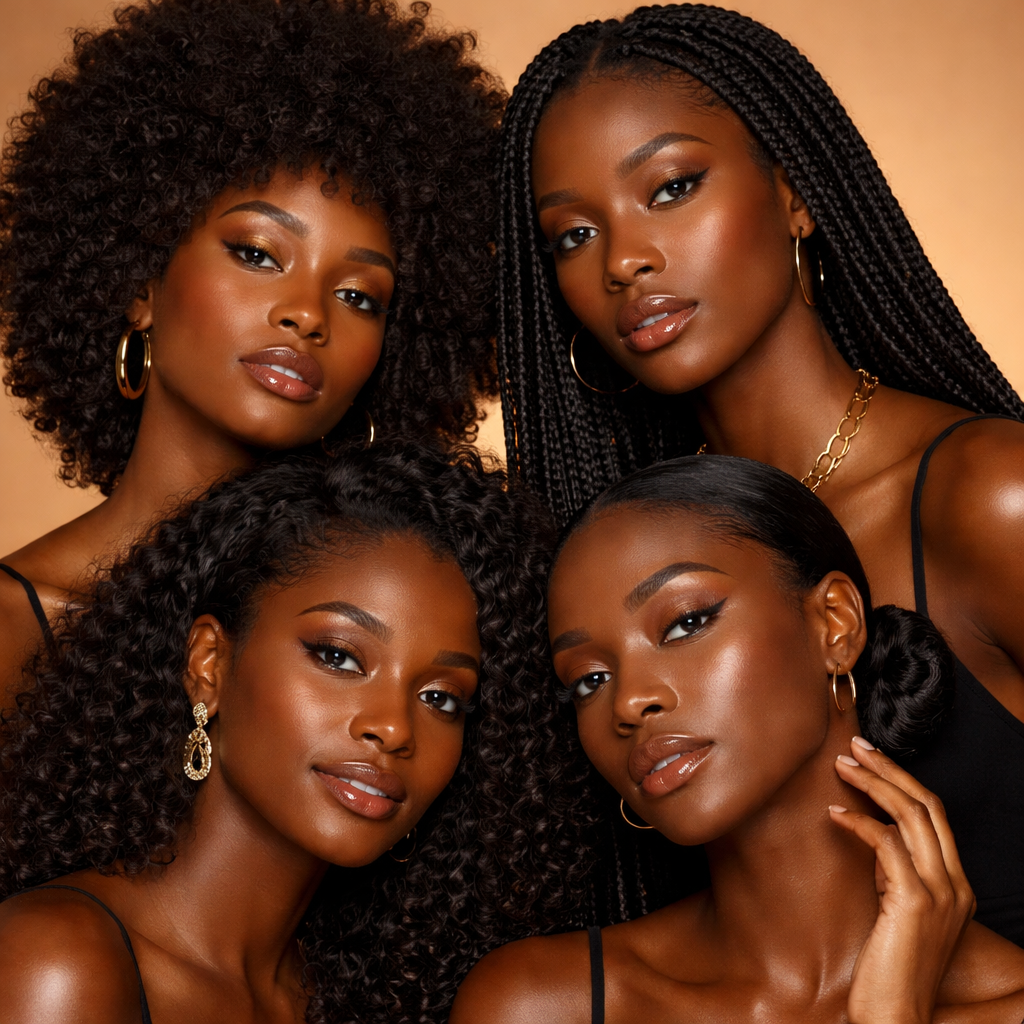
Black Beauty: Redefining Standards, Culture, and Power in 2026
What Is Black Beauty and Why It Matters Today
The Meaning Behind Deep Complexion
Black beauty goes far beyond physical appearance. It represents:
- Cultural identity
- Self-expression
- Resistance against Eurocentric standards
- Celebration of melanin, texture, and diversity
Historically, beauty industries excluded darker skin tones and natural hair textures. Today, black beauty is reclaiming space and redefining what beauty truly means.
A recent study highlights that beauty choices among Black women are often deeply connected to identity, empowerment, and political expression, making beauty a powerful cultural statement.
The Global Rise of Deep Complexion
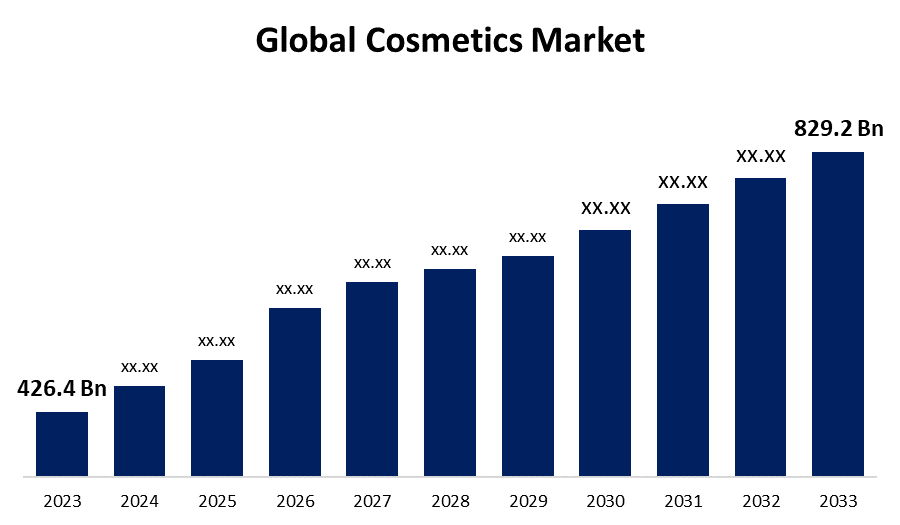
The black beauty industry is experiencing explosive growth:
- Market size expected to reach $30.7 billion by 2033
- Growing at a 14.2% CAGR globally
- Black consumers contribute significant spending power, especially in cosmetics and haircare
This shift is not just economic—it’s cultural. Brands that ignore inclusivity are now losing relevance.
Black Beauty and the Evolution of Beauty Standards
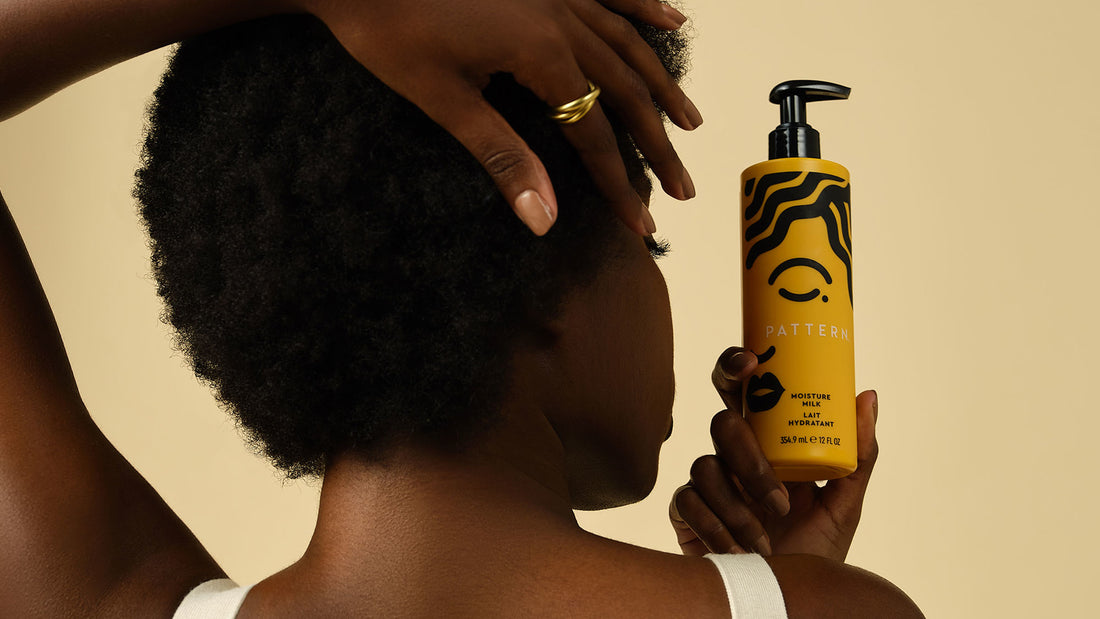
From Eurocentric Ideals to Inclusive Representation
For decades, global beauty standards favored:
- Lighter skin tones
- Straight hair
- Narrow facial features
Today, black beauty is breaking these norms by celebrating:
- Deep skin tones
- Natural curls, coils, and locs
- Diverse facial structures
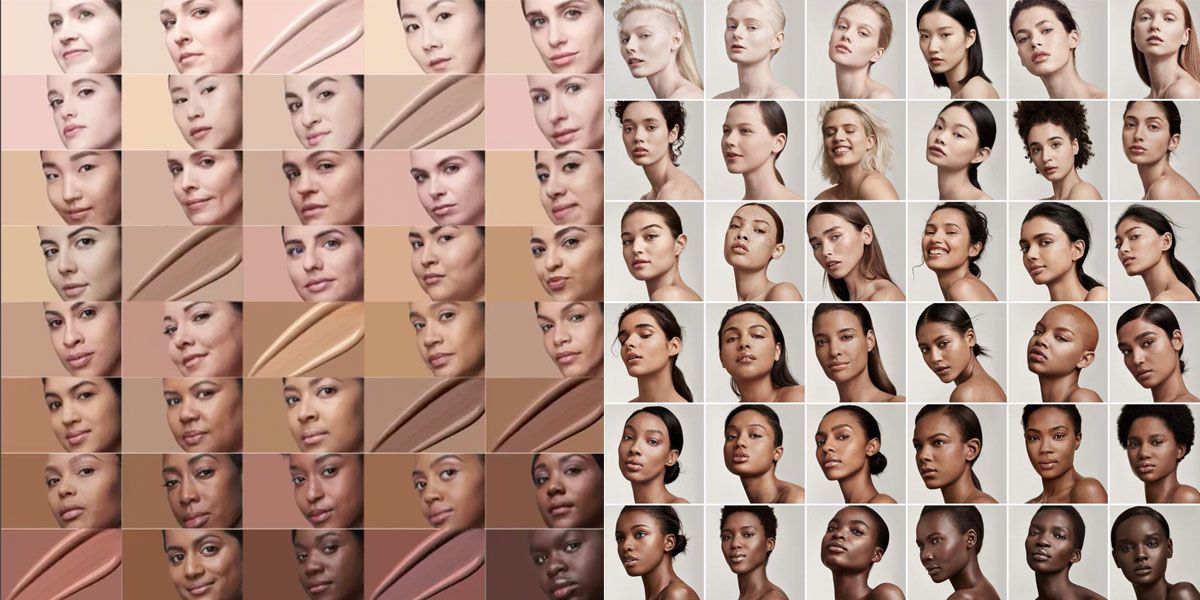
The launch of inclusive brands (like wider shade ranges) sparked a major transformation across the industry.
The Role of Media and Representation
Despite progress, representation gaps still exist:
- Only 2.5% of beauty industry revenue comes from Black-owned brands
- Black consumers account for over 11% of beauty spending
This imbalance highlights both inequality and opportunity in the industry.
Trending Black Beauty Insights in 2025–2026
1. Inclusive Innovation Is Leading the Market

Modern black beauty trends are driven by innovation:
- Products tailored for hyperpigmentation and melanin-rich skin
- Advanced curl-specific haircare formulations
- Inclusive shade ranges becoming industry standard
Over 53% of Black consumers still struggle to find suitable products, showing room for growth.
2. Social Media Is Reshaping Deep Complexion
Platforms like TikTok and Instagram have:
- Amplified Black creators
- Created viral beauty trends
- Influenced purchasing decisions
Black beauty influencers are now trendsetters, not just participants.
3. Wellness and Longevity Trends
In 2025–2026, black beauty is expanding beyond cosmetics:
- Biohacking and skincare science
- Holistic wellness routines
- Focus on long-term skin health
The global wellness shift is driving demand for beauty-from-within solutions.
4. Cultural Aesthetics Like Black Dandyism
Fashion movements such as Black Dandyism highlight:
- Style as identity
- Fashion as resistance
- Elegance as empowerment
This cultural evolution reinforces the idea that deep complexion is both art and activism.
The Economic Power of Black Beauty
A Multi-Billion Dollar Opportunity
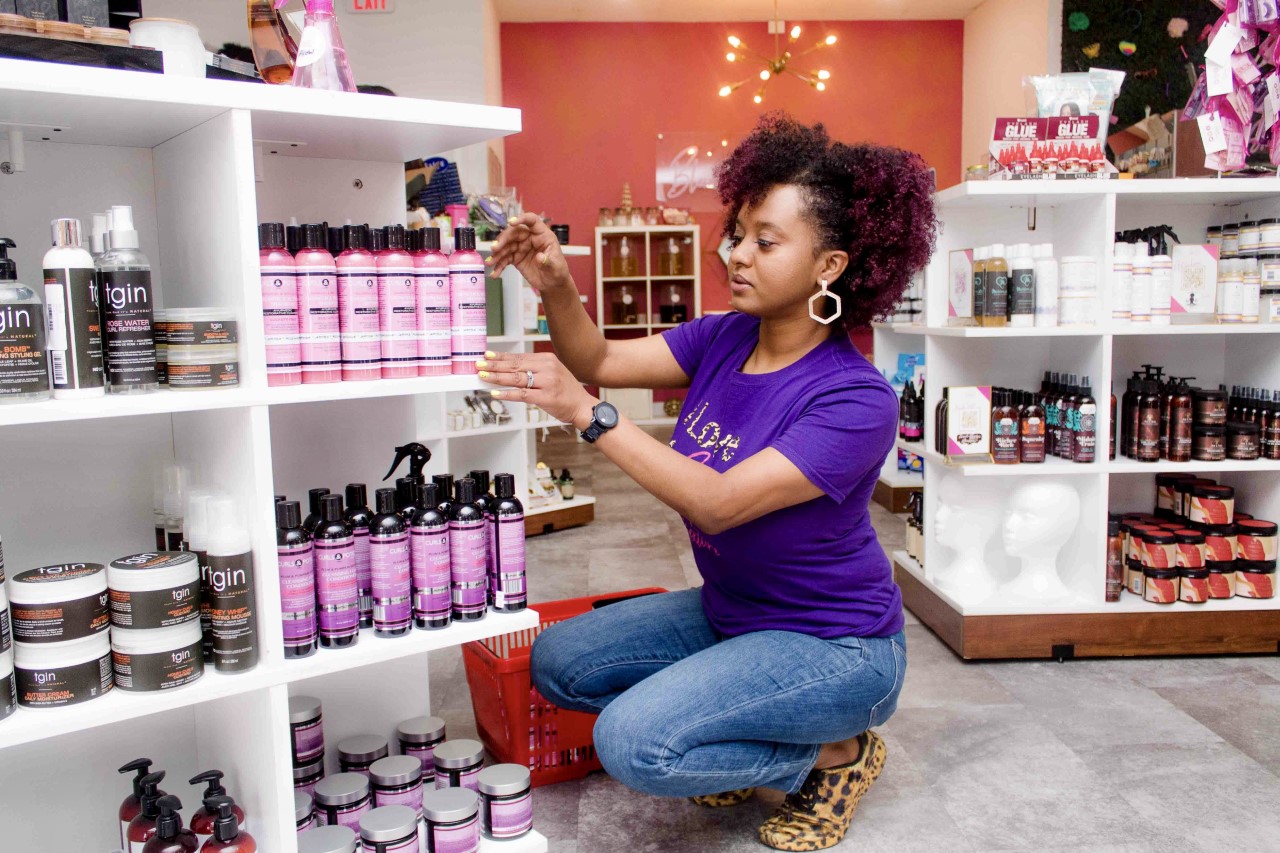
The numbers tell a compelling story:
- Black consumers are among the most loyal beauty buyers
- U.S. Black beauty spending reached $9.4 billion
- Industry equity gap estimated at $2.6 billion opportunity
This makes black beauty one of the fastest-growing and most influential segments globally.
Why Brands Are Investing Heavily
Brands are now prioritizing:
- Diverse marketing campaigns
- Inclusive product development
- Collaborations with Black creators
Because inclusivity is no longer optional, it’s a business necessity.
Challenges Still Facing Deep complexion
1. Limited Representation in Leadership
Only 4–5% of employees in the beauty industry are Black, especially in leadership roles.
2. Product Accessibility Issues
Consumers still face:
- Limited shade ranges
- Lack of specialized products
- Difficulty finding suitable items in stores
3. Performative Inclusivity
Recent reports suggest that some brands:
- Initially embraced diversity
- Later reduced investment in inclusion efforts
This highlights the need for authentic, long-term commitment.
Black Beauty as a Cultural Movement
Beauty as Identity and Empowerment
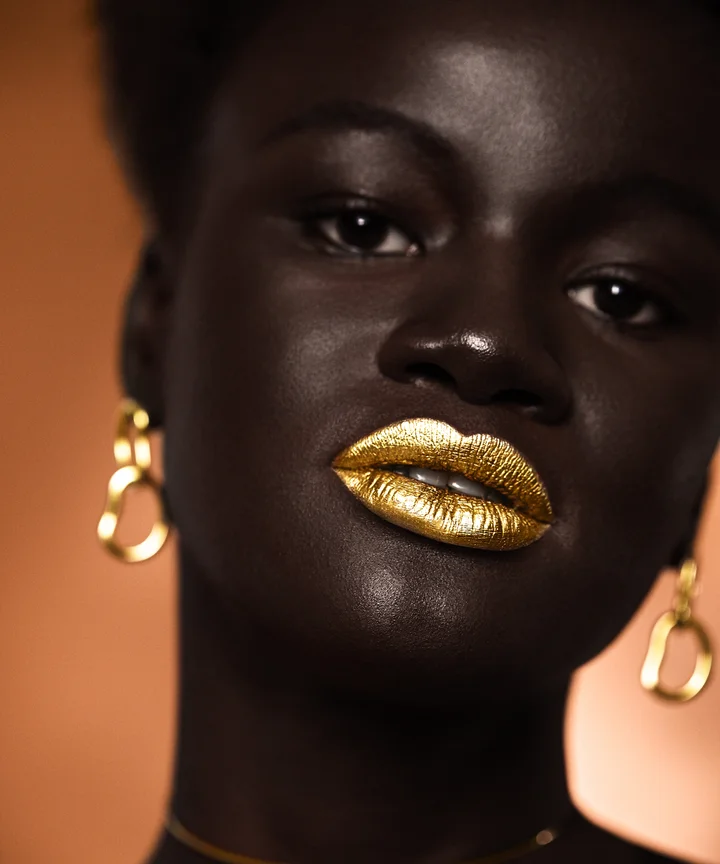
Black beauty is deeply connected to:
- Heritage
- Community
- Self-acceptance
It’s not just about appearance—it’s about owning identity unapologetically.
The Role of Community and Culture
Black beauty thrives through:
- Community-driven brands
- Cultural storytelling
- Shared experiences
This emotional connection makes it one of the most authentic segments in the beauty industry.
How Dark Skin Beauty Is Influencing the Global Industry
Setting New Standards
The multicultural beauty movement is now:
- Driving global trends
- Influencing product innovation
- Setting new expectations for inclusivity
From Niche to Mainstream
What started as a niche market is now:
- A global benchmark
- A cultural force
- A competitive advantage for brands
Future of Dark Skin Beauty: What to Expect
1. Hyper-Personalized Products
- AI-driven skincare
- Custom foundation shades
- Tailored haircare solutions
2. More Black-Owned Brands
Expect growth in:
- Independent beauty startups
- Community-led brands
- Direct-to-consumer platforms
3. Greater Representation Across Media
Future campaigns will likely feature:
- Diverse skin tones
- Natural textures
- Authentic storytelling
4. Sustainability and Ethical Beauty
Consumers are demanding:
- Clean ingredients
- Eco-friendly packaging
- Ethical sourcing
Actionable Tips: Embracing Dark Skin Beauty in Daily Life
For Consumers
- Support Black-owned brands
- Choose inclusive products
- Celebrate natural features
For Businesses
- Invest in diversity authentically
- Expand product inclusivity
- Collaborate with Black creators
Final Thoughts
Black beauty is more than a trend—it’s a transformation. It’s redefining industries, empowering communities, and challenging centuries-old standards.
From billion-dollar growth to cultural impact, black beauty represents:
- Authenticity
- Diversity
- Empowerment
As we move forward, one thing is clear: the future of beauty is inclusive, and black beauty is leading the way.
FAQs
1. What is black beauty?
Black beauty refers to the celebration of melanin-rich skin, natural hair textures, and cultural identity within the beauty industry. It represents empowerment, diversity, and the rejection of outdated Eurocentric beauty standards. Today, it also drives innovation in skincare, cosmetics, and fashion globally.
2. Why is black beauty important in today’s world?
Black beauty is important because it promotes inclusivity, representation, and self-acceptance. Research shows that over 67% of consumers prefer brands that demonstrate diversity, making inclusivity a key factor in purchasing decisions.
It also helps reshape global beauty standards and empowers underrepresented communities.
3. What are the latest dark skin beauty trends in 2026?
Key trends shaping black beauty in 2026 include:
- Inclusive product development for melanin-rich skin
- Advanced skincare (biotech and longevity-focused solutions)
- Natural hair acceptance and textured hair innovation
- Bold makeup and expressive aesthetics returning
- Social media-driven beauty influence
Experts highlight that scientific skincare and inclusivity are leading trends in 2026.
4. How big is the dark skin beauty market?
The global black beauty market is growing rapidly and is expected to reach over $34 billion by 2034, with a strong annual growth rate of around 14%.
This growth is driven by demand for inclusive products, cultural influence, and increasing consumer awareness.
5. What challenges does black beauty still face?
Despite progress, challenges include:
- Limited representation in leadership and ownership
- Lack of product availability for diverse skin tones
- Performative inclusivity by some brands
Additionally, studies show 48% of Black women feel their needs are not fully addressed by mainstream beauty products.
6. How is black beauty influencing the global beauty industry?
Black beauty is now shaping global trends by:
- Expanding shade ranges across brands
- Driving demand for textured hair products
- Influencing fashion, skincare, and marketing
It has transformed from a niche segment into a mainstream force driving innovation and inclusivity worldwide.
7. What products are popular in black beauty?
Popular product categories include:
- Skincare for hyperpigmentation and uneven tone
- Natural haircare for curls and coils
- Inclusive makeup with wide shade ranges
Skincare alone accounts for over 44% of the market share, highlighting its importance.
8. Is black beauty just a trend or a long-term movement?
Black beauty is not a temporary trend—it is a long-term cultural and economic movement. With strong market growth, consumer demand, and cultural significance, it continues to shape the future of the global beauty industry.
9. How can brands succeed in black beauty today?
Brands can succeed by:
- Offering authentic inclusivity (not just marketing)
- Creating products for diverse needs
- Collaborating with Black creators
- Investing in long-term representation
Consumers today are more likely to support brands that show real commitment to diversity and transparency.
10. What is the future of black beauty?
The future includes:
- AI-powered personalized beauty solutions
- Growth of Black-owned brands
- Sustainable and clean beauty products
- More authentic representation in media
Experts predict inclusivity will move from a trend to a core industry standard in the coming years.
Finally, we suggest checking out The Reca Blog for more insightful articles.


Leave feedback about this