

Axolotl Pet: A Complete Guide to Caring for This Fascinating Aquatic Companion
An axolotl pet is unlike any other companion animal you can keep at home, offering a rare combination of prehistoric charm, low noise, and captivating behavior that has fascinated exotic pet lovers around the world.
Often called the “Mexican walking fish,” the axolotl is not a fish at all but a unique amphibian with remarkable regenerative abilities and a calm, observant personality. As interest in unusual pets grows, many people are asking important questions like are axolotls good pets and can you have an axolotl as a pet without advanced experience?
This in-depth guide answers all of those questions and more, helping you understand whether this extraordinary creature is the right choice for your home.
Axolotl Pet and Its Unique Nature
An axolotl pet stands out because it remains aquatic for its entire life, unlike most amphibians that transition to land. Native to the ancient lake systems of Xochimilco in Mexico, axolotls are critically endangered in the wild but widely bred in captivity.
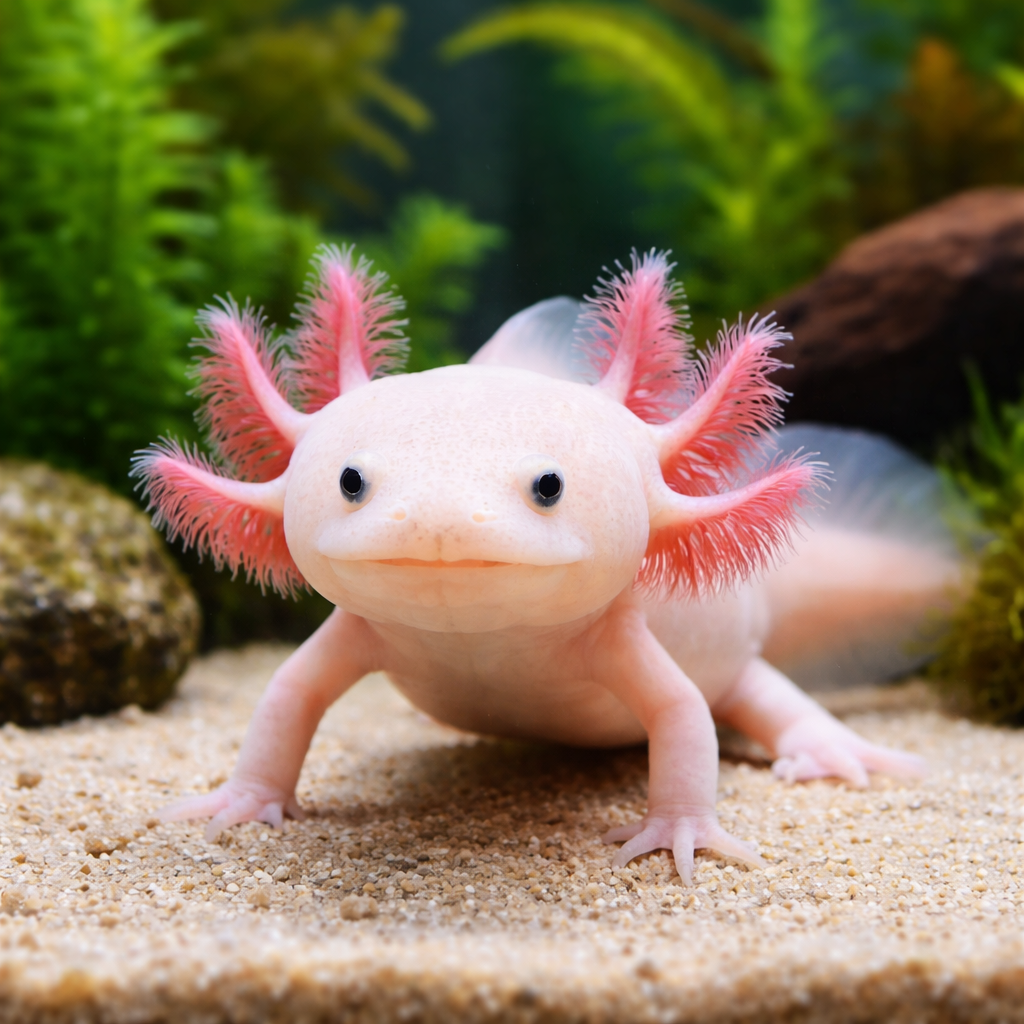
What makes them truly special is their neoteny—the ability to retain larval features like feathery external gills throughout adulthood. This gives them their iconic appearance and makes them one of the most visually striking exotic pets available today.
Beyond looks, axolotls are known for their ability to regenerate limbs, spinal cord tissue, and even parts of their heart and brain. While this doesn’t affect daily care, it highlights just how biologically extraordinary they are.
Are Axolotls Good Pets for Beginners?
One of the most common questions prospective owners ask is: are axolotls good pets for someone new to exotic animals?
The answer depends on expectations rather than experience level. Axolotls are relatively low-maintenance compared to reptiles or birds, but they require precision in water quality and temperature control.
Pros That Make Axolotls Appealing
- Quiet and odor-free
- No need for daily handling
- Minimal space compared to mammals
- Fascinating to observe
- Long lifespan (10–15 years with proper care)
Challenges to Consider
- Sensitive to water parameters
- Cannot tolerate warm temperatures
- Not interactive like dogs or cats
- Require a properly cycled aquarium
If you enjoy calm observation and structured care routines, an axolotl can be deeply rewarding.
Can You Have an Axolotl as a Pet Legally?
Before bringing one home, it’s essential to ask: can you have an axolotl as a pet where you live?
Legal Considerations
Axolotl ownership is legal in many countries, including the UK, Canada, and much of Europe. However, certain U.S. states such as California, Maine, and New Jersey restrict or prohibit ownership due to environmental protection laws.
Always check:
- Local wildlife regulations
- State or provincial laws
- Import and breeding restrictions
Purchasing from a licensed breeder ensures ethical sourcing and legal compliance.
Axolotl Pet Habitat Requirements Explained
Creating the right environment is the most important aspect of axolotl care. An axolotl pet relies entirely on its aquatic habitat for health and longevity.
Tank Size and Setup
- Minimum: 20 gallons for one axolotl
- Larger tanks provide more stable water parameters
- Bare bottom or fine sand substrate only
Avoid gravel, as axolotls can ingest it, leading to fatal impaction.
Water Conditions
Here are the water condition you should consider for axolotl pets.
- Temperature: 60–68°F (16–20°C)
- pH: 6.5–8.0
- Ammonia and nitrites: 0 ppm
A quality filter with gentle flow is essential, as axolotls dislike strong currents.
Feeding an Axolotl Pet the Right Way
Proper nutrition is key to maintaining a healthy axolotl pet. These amphibians are carnivorous and thrive on protein-rich diets.
Best Foods for Axolotls
- Earthworms (staple food)
- Bloodworms (treats)
- Soft sinking pellets
- Small pieces of shrimp or fish
Juveniles should be fed daily, while adults typically eat every 2–3 days.
Avoid feeder fish from pet stores, as they often carry parasites.
Axolotl Behavior and Temperament
Axolotls are solitary, peaceful animals that prefer a stress-free environment. They are not aggressive but may nip tank mates if housed together, especially during feeding.
While they don’t seek interaction, many owners notice their axolotl recognizing feeding routines and approaching the tank front when people are nearby. This quiet awareness creates a unique bond based on observation rather than touch.
Handling should be avoided entirely unless absolutely necessary, as their skin is extremely delicate.
Common Health Issues in an Axolotl Pet
With proper care, axolotls are hardy animals, but poor conditions can lead to health problems.
Common Issues Include
- Fungal infections (white cotton-like patches)
- Gill deterioration from poor water quality
- Heat stress
- Impaction from improper substrate
Regular water testing and stable temperatures prevent most health concerns.
Axolotl Pet Lifespan and Long-Term Commitment
Owning an axolotl pet is a long-term responsibility. With excellent care, they can live 10 to 15 years, sometimes even longer.
This makes them comparable to dogs and cats in terms of commitment, even though daily interaction is minimal. Owners should be prepared for consistent care routines over many years.
Are Axolotls Good Pets for Children?
Axolotls are often marketed as kid-friendly due to their calm nature, but adult supervision is essential.
They are best suited for:
- Responsible teens
- Adults who enjoy aquariums
- Families interested in educational pets
Because axolotls cannot be handled and require stable care, they are not ideal for very young children.
Can You Have an Axolotl as a Pet With Other Animals?
Axolotls should generally be kept alone. Fish may nip at their gills, and axolotls may attempt to eat smaller tank mates.
If cohabitation is attempted, it should only be with extreme caution and expert knowledge. For most owners, a single-species tank is the safest and most ethical choice.
Ethical Considerations of Keeping an Axolotl Pet
Because axolotls are critically endangered in the wild, responsible ownership matters.
Always:
- Buy captive-bred specimens
- Avoid wild-caught animals
- Support ethical breeders
- Never release axolotls into natural waterways
Responsible ownership helps protect wild populations while allowing appreciation of this species in captivity.
Final Thoughts
An axolotl pet is not just an animal—it’s a living window into evolutionary wonder. While they may not cuddle or play, they offer something equally meaningful: calm presence, visual beauty, and a sense of connection to one of nature’s most extraordinary creatures.
If you’ve been wondering are axolotls good pets or can you have an axolotl as a pet without being an expert, the answer is yes—with the right preparation, patience, and respect for their unique needs.
For those willing to provide a stable environment and thoughtful care, axolotls can be one of the most rewarding exotic pets you’ll ever own.
Finally, we suggest checking out The Reca Blog for more insightful content.
Leave feedback about this