

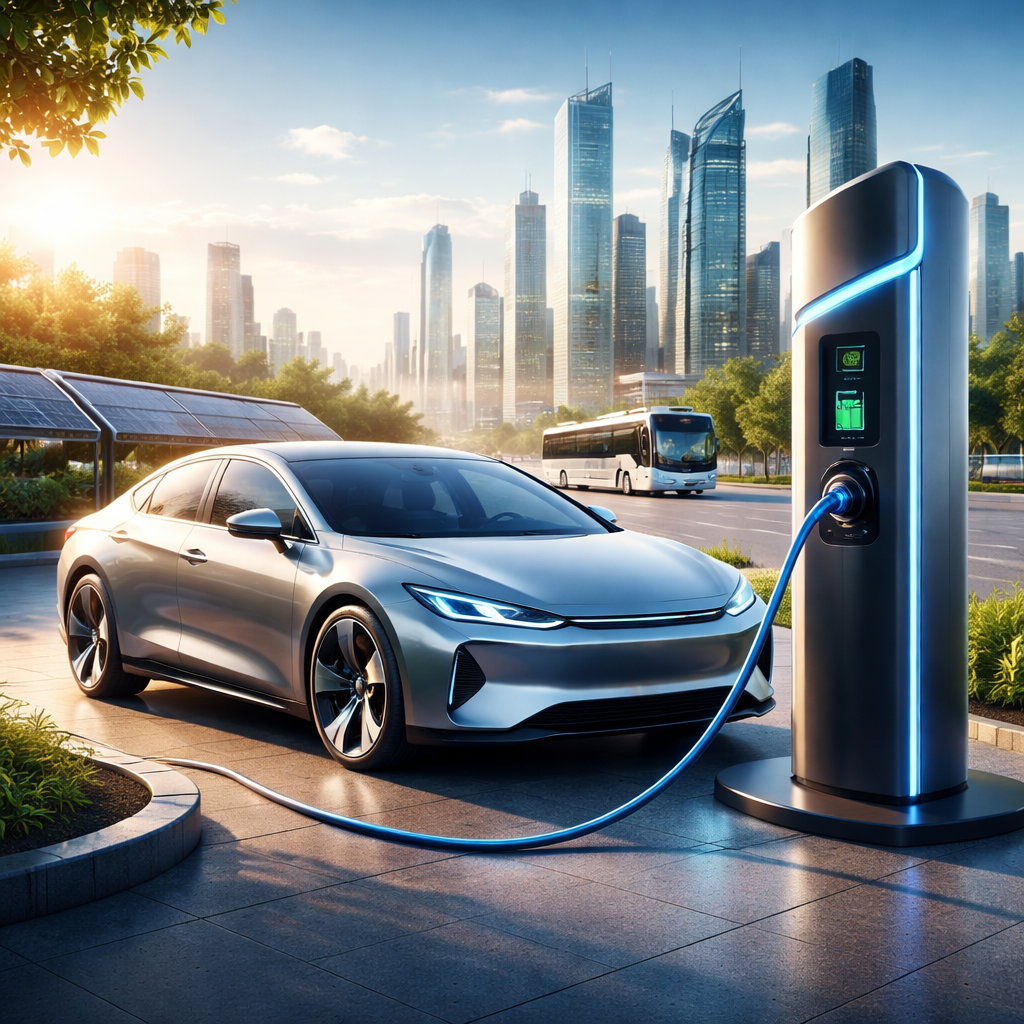
Electric Vehicles 2026: The Definitive Guide to the Future of Mobility, Innovation, and Sustainable Transportation
Electric vehicles 2026 is not just a milestone year for the automotive industry—it represents a transformational shift in how the world moves, powers transportation, and redefines sustainability. From breakthroughs in battery technology to autonomous driving, policy support, and consumer adoption, the EV ecosystem is entering its most decisive phase yet.
As governments tighten emission regulations and consumers demand cleaner, smarter, and more cost-effective mobility, electric transportation is no longer a niche—it’s becoming the global standard. This in-depth guest post explores where the industry stands, where it’s headed, and why the next generation of electric mobility matters more than ever.
The Global Evolution of Electric Vehicles Leading Into 2026
The journey toward mass EV adoption didn’t happen overnight. Early electric cars faced skepticism due to limited range, high costs, and charging constraints. However, rapid technological innovation and market demand have reshaped the narrative.
By the mid-2020s, electric mobility moved from experimentation to execution. Automakers shifted billions of dollars toward electrification, governments introduced aggressive climate goals, and charging infrastructure expanded across urban and rural areas alike.
What sets this era apart is scale. Instead of a handful of premium models, the market now offers electric sedans, SUVs, pickup trucks, commercial vans, and even performance supercars—making EVs accessible to a wider audience than ever before.
Why Electric Vehicles 2026 Marks a Turning Point for the Auto Industry
The year 2026 stands out as a strategic inflection point because multiple trends converge at once—technology maturity, infrastructure readiness, regulatory enforcement, and consumer confidence.
Unlike earlier years, electric vehicles are no longer competing with internal combustion engines on ideology; they are competing on performance, affordability, and convenience.
By this time, many legacy automakers will have fully restructured production lines, while EV-native brands will have refined supply chains and achieved economies of scale. This convergence creates a competitive environment where innovation accelerates rapidly.
Battery Technology Breakthroughs Powering the Next Generation
Battery innovation remains the backbone of electric mobility. In the years approaching 2026, the industry has focused on four major improvements:
- Higher energy density for longer driving ranges
- Faster charging times to reduce downtime
- Lower production costs to improve affordability
- Enhanced safety and longevity
Solid-state batteries, once considered experimental, are moving closer to commercialization. These batteries replace liquid electrolytes with solid materials, offering higher capacity, reduced fire risk, and longer life cycles.
At the same time, lithium-iron-phosphate (LFP) batteries continue to gain popularity due to their cost efficiency and durability, especially for entry-level and fleet vehicles.
Charging Infrastructure Expansion and Grid Readiness
The success of electric mobility depends heavily on reliable and accessible charging networks. By 2026, charging infrastructure is no longer limited to highways and city centers—it’s embedded into everyday life.
Public fast-charging stations are becoming more widespread, capable of delivering 200–350 kW power outputs, enabling drivers to recharge in minutes rather than hours.
Residential charging has also evolved. Smart home chargers integrate with solar panels, energy storage systems, and utility grids to optimize charging costs and reduce strain on power networks.
Governments and private companies are working together to modernize electrical grids, ensuring they can handle increased demand without compromising reliability.
Electric Vehicles 2026 and the Rise of Smart, Connected Mobility
One of the most exciting developments in this space is the integration of artificial intelligence and connectivity.
How Electric Vehicles 2026 Are Redefining Driving Intelligence
Modern EVs are no longer just vehicles—they are rolling computers. Advanced driver-assistance systems (ADAS), over-the-air software updates, predictive maintenance, and AI-powered navigation are becoming standard features.
These technologies enable:
- Real-time traffic optimization
- Energy-efficient route planning
- Enhanced safety through automated braking and lane assistance
- Continuous feature upgrades without visiting service centers
As connectivity improves, vehicles communicate with infrastructure, other cars, and smart cities, creating a seamless transportation ecosystem.
Autonomous Driving and EV Synergy
Autonomous driving and electric powertrains are developing in parallel—and for good reason. EVs provide a more predictable, software-friendly platform for self-driving systems.
By 2026, semi-autonomous features such as hands-free highway driving, automated parking, and traffic-jam assistance are becoming mainstream. Fully autonomous vehicles are still undergoing regulatory and safety validation, but progress is accelerating.
Fleet operators, logistics companies, and ride-hailing platforms are among the earliest adopters, using autonomous EVs to reduce operational costs and emissions simultaneously.
Government Policies Accelerating EV Adoption Worldwide
Policy frameworks play a critical role in shaping the future of electric transportation. Across the globe, governments are implementing measures that favor EV adoption, including:
- Emission reduction mandates
- Fuel economy standards
- Tax credits and purchase incentives
- Investment in charging infrastructure
- Planned bans on new gasoline vehicle sales
By 2026, many countries have set firm targets that make electrification unavoidable rather than optional. These policies not only encourage consumers but also force automakers to innovate faster.
Cost Parity: Electric vs. Gasoline Vehicles
One of the biggest myths surrounding electric cars has been affordability. While early EVs carried premium price tags, cost parity is rapidly approaching.
Battery prices have declined significantly over the past decade, and manufacturing efficiencies continue to improve. As a result, the total cost of ownership for EVs—including fuel, maintenance, and incentives—is often lower than that of gasoline vehicles.
By 2026, many electric models are expected to match or undercut their internal combustion counterparts, making the decision to go electric economically logical rather than purely environmental.
Environmental Impact and Sustainability Benefits
Electric mobility plays a crucial role in reducing greenhouse gas emissions, especially when paired with renewable energy sources.
Unlike traditional vehicles, EVs produce zero tailpipe emissions, improving air quality in urban areas and reducing public health risks. Over their lifetime, even when accounting for battery production, electric cars typically have a lower carbon footprint.
Recycling and second-life battery applications are also advancing, further enhancing sustainability and resource efficiency.
Electric Vehicles 2026 and the Transformation of Urban Mobility
Cities are at the forefront of electric adoption. Congestion, pollution, and limited space have pushed urban planners toward cleaner transportation solutions.
Electric buses, delivery vans, scooters, and shared vehicles are reshaping city landscapes. By integrating EVs into public transit systems, cities can significantly cut emissions while improving service reliability.
Smart city initiatives also leverage EV data to optimize traffic flow, parking, and energy consumption.
Commercial and Fleet Electrification Trends
Beyond personal vehicles, commercial fleets are undergoing rapid electrification. Delivery companies, municipal services, and corporate fleets are switching to electric models to reduce operating costs and meet sustainability goals.
Electric vans and trucks offer predictable routes, centralized charging, and lower maintenance—making them ideal for fleet operations.
By 2026, fleet electrification is no longer experimental; it’s a competitive necessity.
Consumer Perception and Market Demand Shifts
Consumer attitudes toward EVs have evolved dramatically. What was once viewed as risky or inconvenient is now seen as modern, efficient, and forward-thinking.
Improved range, charging availability, and vehicle variety have removed most adoption barriers. Younger buyers, in particular, value technology integration, sustainability, and lower ownership costs—factors that favor electric models.
As awareness grows, word-of-mouth and real-world experience continue to accelerate adoption.
Challenges Still Facing the EV Industry
Despite rapid progress, challenges remain. Supply chain constraints, raw material sourcing, and charging standardization require ongoing attention.
Battery material demand—especially lithium, nickel, and cobalt—raises concerns about ethical sourcing and environmental impact. However, innovation in alternative chemistries and recycling is helping address these issues.
Grid capacity and charging equity in rural areas also require continued investment.
What the Future Beyond 2026 Looks Like
Looking ahead, the trajectory is clear. Electric mobility is moving toward full integration with renewable energy, autonomous systems, and shared transportation models.
Innovation will focus on efficiency, intelligence, and accessibility rather than basic feasibility. As technology matures, the distinction between “electric” and “vehicle” will fade—electric will simply become the default.
Final Thoughts
Electric vehicles 2026 symbolizes more than a date—it represents the moment when clean transportation becomes mainstream, intelligent, and globally scalable.
For consumers, businesses, policymakers, and innovators alike, this period defines the future of mobility. The decisions made now will shape transportation systems for decades to come.
As the world accelerates toward sustainability and technological integration, electric mobility stands at the center of progress—quietly, efficiently, and powerfully driving us forward.
Finally, we suggest checking out The Reca Blog for more insightful articles.