

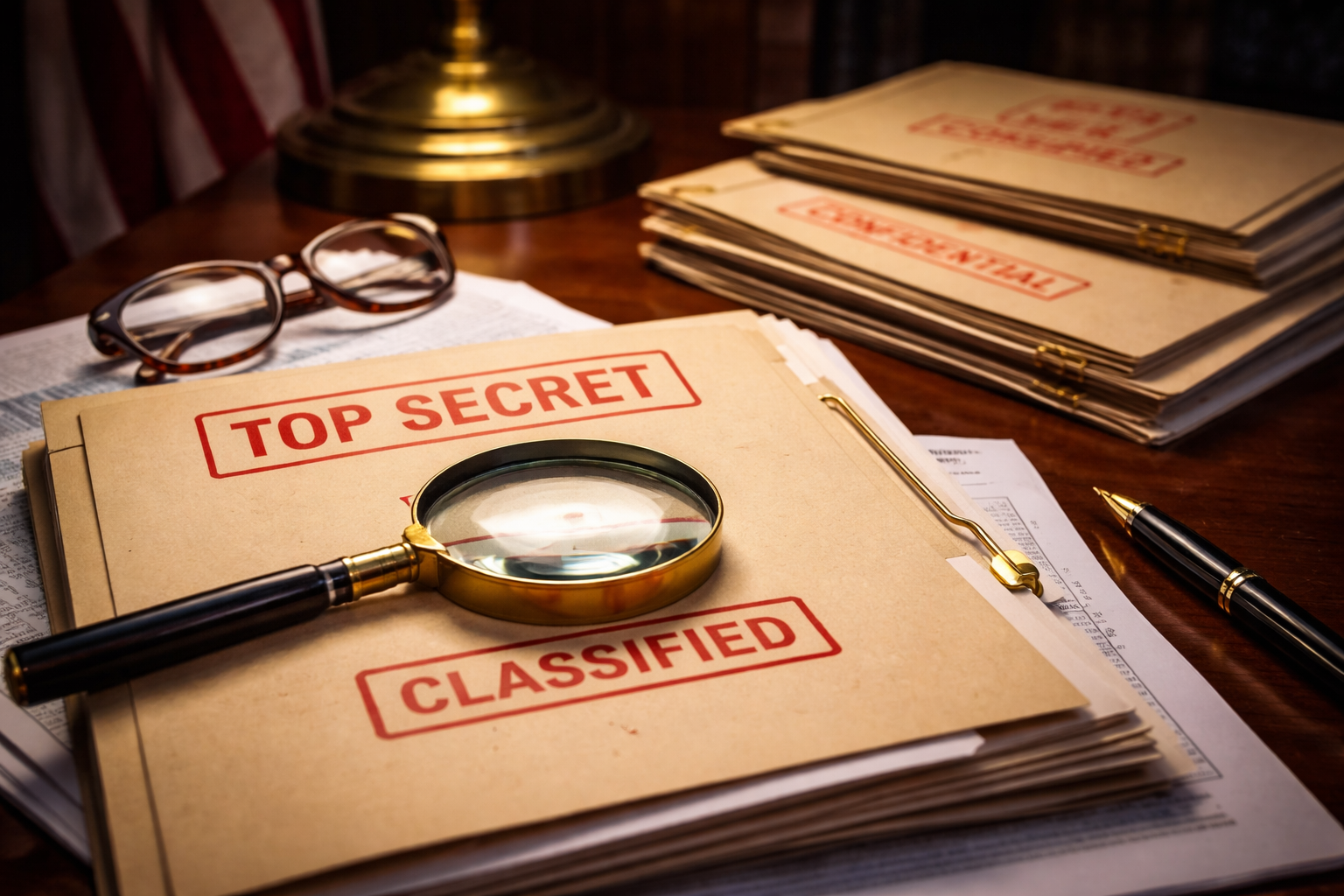
who designates whether information is classified and its classification level
Who designates whether information is classified and its classification level is a critical question at the heart of national security, government transparency, and information governance, shaping how sensitive data is protected and who has the authority to restrict access to it.
In an era defined by cybersecurity threats, global intelligence competition, and digital information sharing, understanding how classified information is designated—and by whom—is essential. This process is not arbitrary; it is governed by law, executive authority, and a structured classification system designed to balance secrecy with accountability.
This comprehensive guide explains who has the authority to classify information, how classification levels are determined, the legal framework behind the system, and why proper designation matters in modern governance.
What is Information Classification
Information classification is the formal process by which governments identify, protect, and control access to sensitive information that, if disclosed improperly, could harm national interests.
Classification is not merely about secrecy—it is about risk management. Governments must evaluate whether the release of certain information could damage defense capabilities, foreign relations, intelligence operations, or public safety.
Why Classification Exists
The primary purpose of classification is to:
- Protect national security
- Safeguard intelligence sources and methods
- Preserve diplomatic relationships
- Prevent adversaries from exploiting sensitive data
Without a structured system, governments would face chaos in information handling, overexposure of critical assets, and erosion of public trust.
Who Designates Whether Information Is Classified and Its Classification Level Under U.S. Law
Legal Authority Behind Classification Decisions
In the United States, the authority to classify information originates from the President of the United States, who acts as Commander in Chief and Chief Executive. This authority is delegated through executive orders, most notably Executive Order 13526, which governs the current classification system.
This executive framework defines:
- Who can classify information
- What types of information may be classified
- How classification levels are assigned
- When information must be declassified
Original Classification Authority (OCA)
Only individuals with Original Classification Authority (OCA) may decide whether information should be classified in the first place.
OCAs are typically:
- The President and Vice President
- Cabinet members
- Agency heads
- Senior military and intelligence officials
- Designated senior government officers
These individuals are entrusted with this power due to their role, expertise, and responsibility for national security matters.
Who Designates Whether Information Is Classified and Its Classification Level at the Agency Level
Delegation of Authority
While the President holds ultimate authority, classification decisions are often delegated to federal agencies. Each agency establishes internal rules to manage classified material within its jurisdiction.
Agencies commonly involved include:
- Department of Defense (DoD)
- Central Intelligence Agency (CIA)
- National Security Agency (NSA)
- Department of State
- Department of Homeland Security
Each agency designates officials who can classify information based on mission-specific criteria.
Agency Classification Guides
To ensure consistency, agencies use classification guides, which:
- Define what information should be classified
- Specify appropriate classification levels
- Provide duration guidelines for secrecy
- Reduce subjective decision-making
These guides are essential tools that help prevent overclassification or underclassification.
Classification Levels Explained
The U.S. classification system uses three primary levels, each based on the severity of potential damage if the information were disclosed without authorization.
Top Secret
Top Secret information is the most sensitive category.
Disclosure could cause:
- Exceptionally grave damage to national security
- Loss of life
- Compromise of major intelligence operations
- Severe diplomatic consequences
Access is strictly limited and requires the highest level of clearance and a demonstrated need to know.
Secret
Secret information involves a lower—but still serious—risk.
Unauthorized disclosure could:
- Cause serious damage to national security
- Disrupt military operations
- Harm foreign relations
Most classified government operations fall under this category.
Confidential
Confidential information is the lowest classification level.
Disclosure could:
Cause damage to national security
Undermine operational effectiveness
Affect diplomatic or economic interests
Although less restrictive, it still requires controlled access.
How Classification Levels Are Determined
When deciding how to classify information, officials consider:
- Nature of the information
- Potential impact of disclosure
- Likelihood of exploitation by adversaries
- Time sensitivity
- Operational relevance
Classification must be proportionate, meaning information should be classified at the lowest level necessary to provide adequate protection.
Who Designates Whether Information Is Classified and Its Classification Level During Emergencies
Crisis and Wartime Classification
During national emergencies, armed conflicts, or intelligence crises, classification decisions may occur rapidly. Senior officials with OCA may classify information verbally or retroactively to prevent immediate threats.
Despite urgency, these decisions are still subject to later review to ensure compliance with legal standards.
Derivative Classification: A Secondary Process
Not all classification decisions are original.
What Is Derivative Classification?
Derivative classification occurs when:
- An individual applies existing classification markings to new documents
- Information is summarized, paraphrased, or extracted from classified sources
Derivative classifiers do not decide whether information is classified—they follow existing determinations.
This process ensures consistency across documents and agencies.
Oversight, Accountability, and Misuse of Classification
Oversight Bodies
Several entities oversee classification practices, including:
- Information Security Oversight Office (ISOO)
- National Archives and Records Administration (NARA)
- Congressional oversight committees
- Inspectors General
These bodies ensure classification authority is exercised responsibly.
Overclassification Concerns
One of the biggest challenges in the system is overclassification, which can:
- Limit transparency
- Hinder interagency collaboration
- Reduce public trust
- Strain security resources
Efforts to combat overclassification include training, audits, and declassification initiatives.
Declassification: When Secrecy Ends
Classification is not permanent.
Automatic Declassification
Most classified information is automatically declassified after 25 years, unless:
- It involves intelligence sources or methods
- It relates to weapons of mass destruction
- Disclosure still poses a serious risk
Who Can Declassify Information
Information may be declassified by:
- The original classifier
- A successor in authority
- A supervisory official
- The President
This ensures that secrecy does not outlive its necessity.
The Role of Technology in Classification Decisions
Modern classification increasingly intersects with:
- Digital document management
- Cybersecurity systems
- Artificial intelligence
- Data loss prevention tools
While technology assists in protecting classified data, human judgment remains central in determining classification levels.
Global Comparisons: How Other Countries Handle Classification
While this article focuses on the U.S., many countries use similar systems:
- The UK uses Top Secret, Secret, and Official
- NATO follows a standardized classification structure
- EU institutions apply tiered security markings
Despite variations, the core principle remains the same: controlled access based on risk.
Why Understanding Classification Authority Matters
Understanding who controls classification decisions is essential for:
- Journalists reporting on national security
- Government contractors handling sensitive data
- Researchers studying intelligence policy
- Citizens seeking transparency
Misunderstanding classification authority can lead to legal violations, security breaches, or misinformation.
Final Perspective
Ultimately, who designates whether information is classified and its classification level is determined through a structured chain of constitutional authority, executive delegation, and agency-level governance designed to protect national interests while maintaining accountability.
Classification is not about hiding information—it is about safeguarding what truly matters until disclosure is safe, lawful, and responsible.
Finally, we suggest checking out The Reca Blog for more insightful articles.