

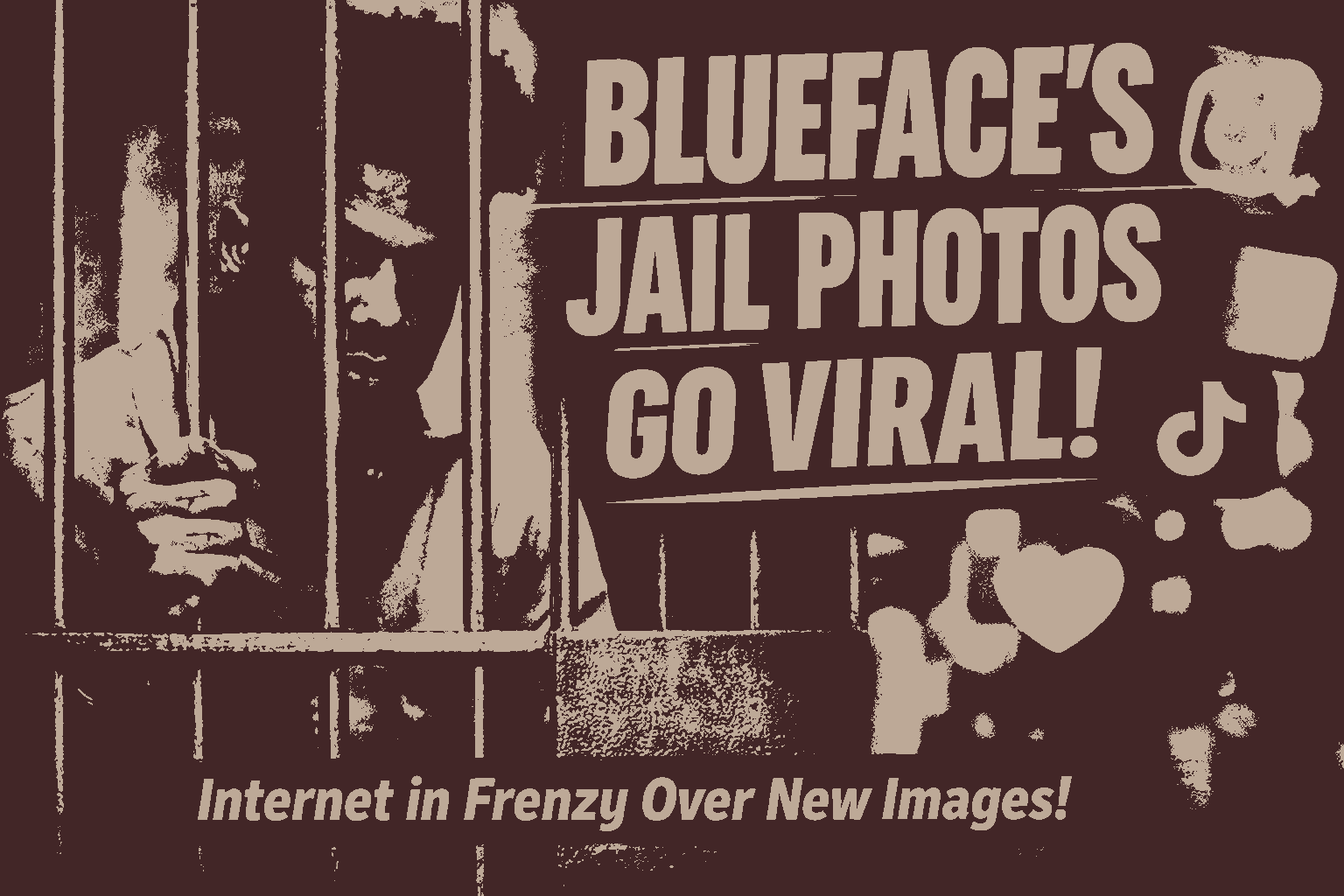
Blueface’s New Jail Pictures Have Gone Viral on Social Media: A Detailed Look at the Impact, Reactions, and Broader Implications
Blueface’s new jail pictures have gone viral on social media, igniting widespread discussion across platforms such as Instagram, X (formerly Twitter), TikTok, and Reddit. Within hours of their appearance online, these images became a trending topic, drawing reactions from fans, critics, celebrities, and digital commentators alike. The viral spread highlights not only Blueface’s continued relevance in pop culture but also the powerful intersection between celebrity, controversy, and digital media.
As we analyze this moment, we explore how these images surfaced, why they resonated so strongly with online audiences, and what they reveal about modern celebrity culture in the age of instant virality.
Who Is Blueface and Why Public Attention Follows Him
Blueface, known for his unconventional rap style and chart-topping tracks, has long been a figure who attracts attention beyond music. His public persona blends controversy, unpredictability, and unapologetic authenticity, making him a constant subject of online conversation. Over the years, legal issues, high-profile relationships, and viral moments have kept his name circulating across entertainment media.
When new jail pictures of a celebrity with such a polarizing reputation emerge, the internet responds swiftly. The public fascination is not accidental—it is rooted in a history of visibility and controversy that amplifies every development.
The Emergence of the Viral Jail Pictures
The new jail pictures reportedly surfaced through unofficial online channels before being widely reshared by major entertainment pages and gossip blogs. Within minutes, screenshots and edited versions flooded timelines, accompanied by captions ranging from shock and concern to satire and criticism.
What made these images particularly viral was their raw and unfiltered nature. Unlike polished photoshoots or curated social media posts, jail images strip away the celebrity veneer, presenting a stark and humanizing visual that fuels emotional reactions and debate.
Social Media Platforms Fueling the Viral Spread
Social media algorithms play a critical role in accelerating virality. Platforms prioritize engagement, and Blueface’s jail pictures generated massive interaction—likes, shares, comments, and duets—within a short time frame.
- Instagram saw rapid reposts by entertainment pages with millions of followers.
- X (Twitter) amplified the discussion through trending hashtags and real-time commentary.
- TikTok users created reaction videos, commentary clips, and memes that reached new audiences.
- Reddit hosted longer discussions analyzing the situation, its legal context, and cultural implications.
This multi-platform spread ensured that the images reached diverse demographics globally.
Public Reactions: Support, Criticism, and Commentary
The public response to Blueface’s viral jail pictures has been deeply divided. Some fans expressed concern, emphasizing empathy and personal growth, while others criticized past behavior and questioned accountability.
Supporters highlighted themes of redemption and resilience, arguing that public scrutiny should not overshadow due process or personal circumstances. Critics, on the other hand, viewed the images as a consequence of repeated controversies, using them as a focal point for broader discussions on responsibility and fame.
This polarization reflects how celebrity narratives are no longer controlled solely by publicists or media outlets but are shaped collectively by online communities.
Celebrity Culture and the Power of Visual Narratives
Images hold extraordinary power in shaping public perception. In the digital age, a single photograph can redefine narratives overnight. Blueface’s new jail pictures function as a visual narrative that reinforces, challenges, or reshapes existing opinions.
For celebrities, visual moments like these can overshadow years of artistic output. For audiences, they offer a sense of proximity to fame, blurring the line between public persona and private reality. This dynamic is central to why such images spread so rapidly and provoke intense engagement.
Media Coverage and Entertainment Journalism
Mainstream entertainment media quickly picked up the story, publishing articles, opinion pieces, and timelines surrounding the viral images. Headlines emphasized the speed of the spread and the volume of reactions, further fueling public interest.
Digital journalism thrives on immediacy, and stories tied to viral visuals often outperform traditional news. The coverage of Blueface’s jail pictures demonstrates how entertainment reporting increasingly mirrors social media trends, responding to audience demand in real time.
Legal Context and Public Speculation
Alongside the images, speculation regarding legal circumstances intensified. While official details remained limited, social media users analyzed court records, past incidents, and unofficial reports. This speculative environment underscores a critical issue: the rapid spread of information often outpaces verified facts.
Despite this, the images became a symbolic representation of a broader narrative, regardless of legal nuance. This phenomenon highlights the challenges public figures face when visual content circulates faster than contextual clarification.
Impact on Blueface’s Career and Public Image
Viral moments can have complex effects on a celebrity’s career. On one hand, increased visibility keeps a public figure relevant; on the other, association with legal trouble can influence brand partnerships, collaborations, and audience perception.
Historically, controversial moments have sometimes fueled renewed interest in artists’ work. Whether these viral jail pictures lead to long-term reputational damage or a redefined public narrative remains to be seen, but their immediate impact on visibility is undeniable.
The Role of Fans and Digital Communities
Fan communities played a significant role in shaping the conversation. Dedicated followers organized discussions, shared older interviews, and contextualized the images within Blueface’s broader life story. At the same time, critics mobilized counter-narratives, emphasizing accountability.
This collective storytelling illustrates how digital communities actively participate in constructing celebrity narratives, rather than passively consuming media.
Broader Implications for Privacy and Ethics
The virality of jail images raises ethical questions about privacy, consent, and public consumption of sensitive content. While public figures are subject to scrutiny, the line between newsworthiness and exploitation remains a subject of debate.
As audiences, our engagement choices contribute to the spread and normalization of such content. This moment serves as a reminder of the responsibility that comes with digital participation.
Conclusion
Blueface’s new jail pictures have gone viral on social media not merely because of shock value, but because they sit at the intersection of celebrity culture, digital virality, and public discourse. They reveal how quickly narratives can form, how powerfully images influence perception, and how social platforms shape modern fame.
This episode underscores a broader truth: in today’s digital ecosystem, visibility is instantaneous, narratives are collective, and every viral moment leaves a lasting imprint on cultural memory.
Finally, we suggest checking out The Reca Blog for more insightful articles.